By Jasmine Sidhu, Applied Psychology PhD(c) and HEAL research fellow
Art is a health behaviour – it’s time to expand how we think about health
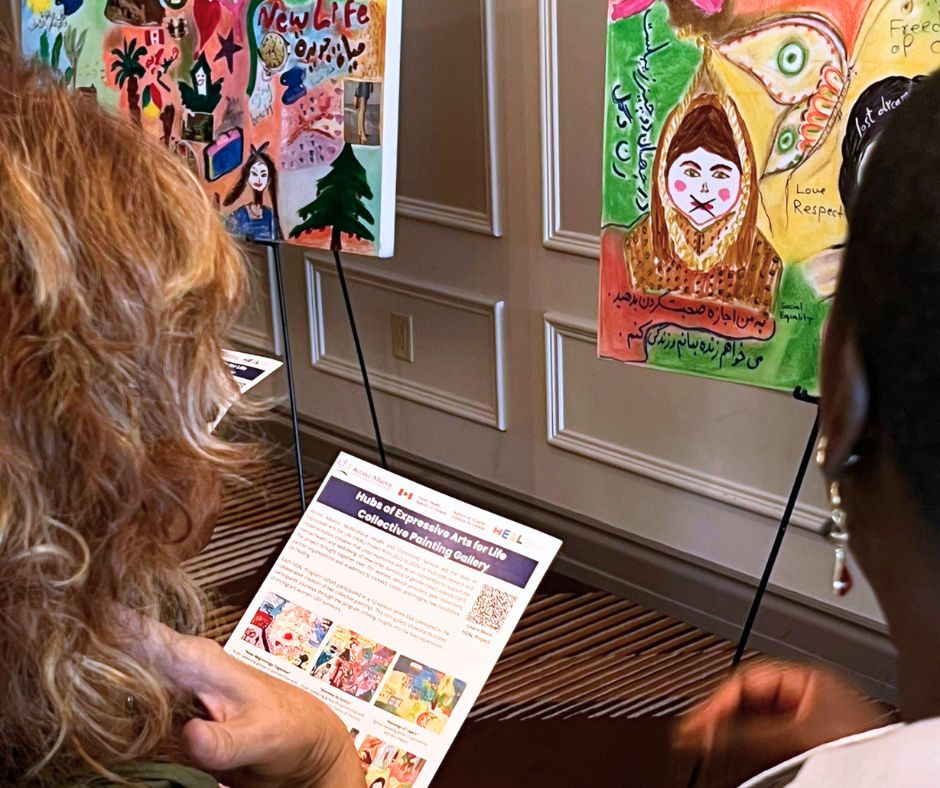
October 1 – 2, 2025, the HEAL (Hubs of Expressive Arts for Life) Project participated in the national Knowledge Hub Conference, Innovations in Addressing Gender-Based Violence and Trauma- and Violence-Informed Health Promotion, held in Toronto. The conference brought together more than 370 practitioners, researchers, policymakers, students, and community leaders from across Canada to share innovative approaches to addressing gender-based violence (GBV) and advancing trauma- and violence-informed care.
As part of the conference, HEAL delivered two presentations that highlighted the growing role of expressive arts, community-based research, and cross-sector collaboration in supporting newcomer survivors of gender-based domestic violence (GBDV).
Low barrier, high impact: Community-based research with newcomer survivors of gender-based domestic violence
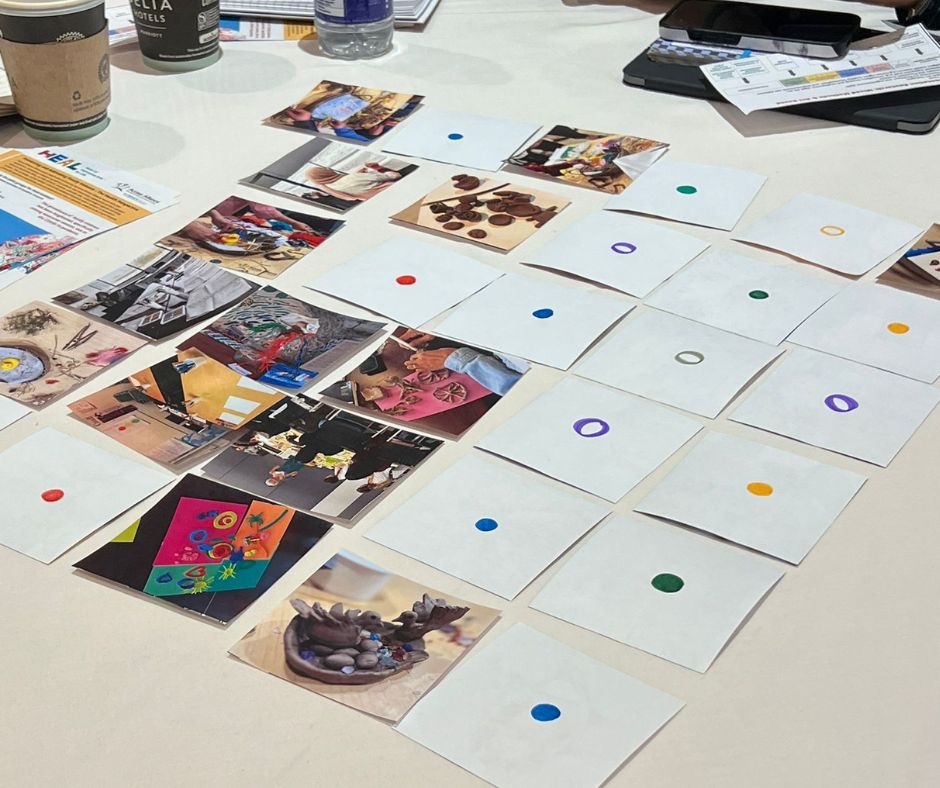
Presented by Akm Alamgir, this session explored how HEAL used a community-based participatory research approach to design, implement, and evaluate expressive arts interventions for newcomer survivors of GBDV.
The presentation highlighted the realities of conducting research in sensitive and complex contexts, including challenges related to participant recruitment and retention, cultural tailoring, language barriers, precarious work, and residential instability among participants. Rather than viewing these challenges solely as barriers to participation, the session emphasized the importance of creating low-barrier, flexible, and culturally responsive approaches that meet participants where they are.
The HEAL project shared how it integrated implementation science principles, scientific rigour, and community co-design throughout the intervention development process. The presentation also outlined the project’s use of multimodal and multi-level evaluation strategies, including qualitative, quantitative, and arts-based methods, as well as outcome harvesting and interpretive phenomenological analysis.
A key message of the session was that arts-based interventions can support not only individual healing and well-being, but also broader community and systems-level change. Presenters discussed how expressive arts approaches contribute to health promotion, interdisciplinary collaboration, social prescribing initiatives, and the strengthening of equity-informed care models.
Building a nest together: Arts integration for trauma healing among newcomers
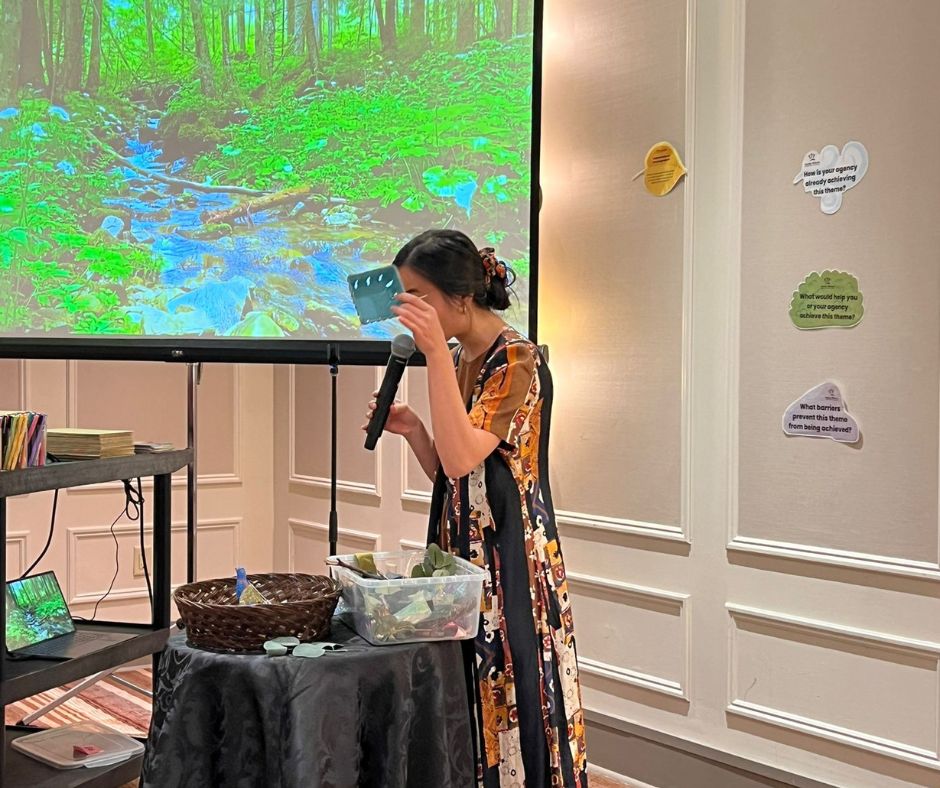
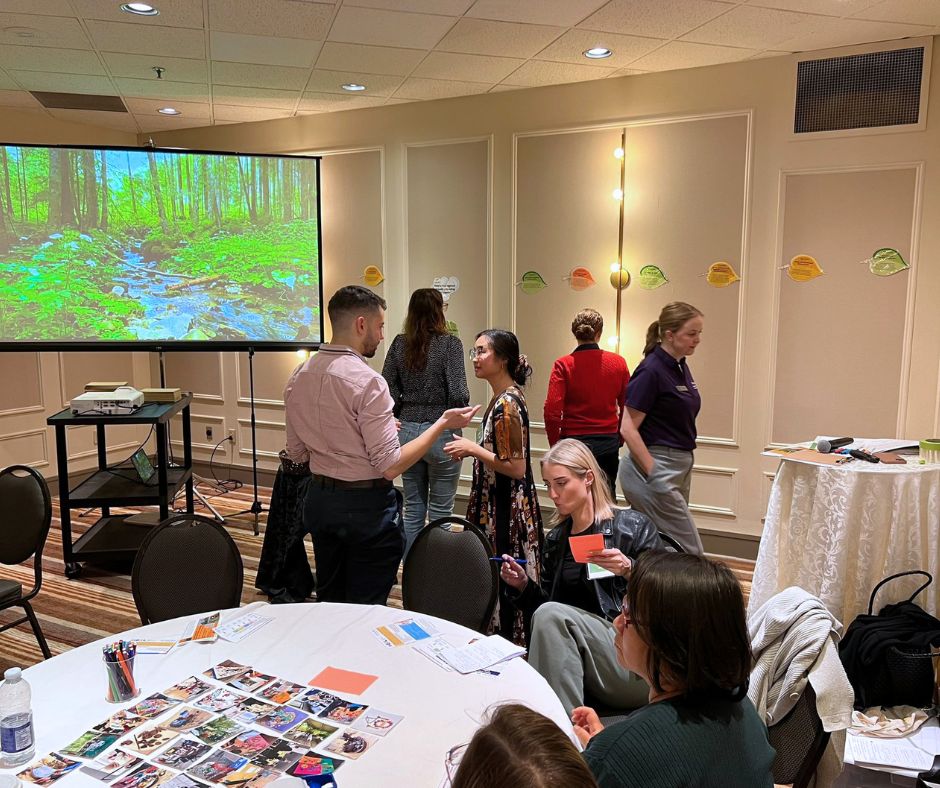
Our team also facilitated an interactive workshop titled Building a Nest Together: Arts Integration for Trauma Healing Among Newcomers. Led by Christen Kong, the session invited participants to explore how stronger collaboration between the settlement, healthcare, and arts sectors can support newcomer mental health and well-being through holistic, culturally responsive care.
Drawing from the HEAL Project as a model of successful arts integration, the workshop highlighted emerging approaches such as social prescribing and arts-based mental health supports. Discussions focused on the growing role of creative and community-centered practices in reducing barriers to care, strengthening social connection, and expanding access to meaningful wellness supports for newcomer communities.
At the heart of the workshop was the collaborative “Building a Nest Together” activity — a hands-on, metaphor-driven arts exercise symbolizing the care, trust, and collective effort needed to build sustainable partnerships across sectors. Through reflection and creative engagement, participants explored both the challenges and possibilities of intersectoral collaboration, while considering how arts-based approaches can be meaningfully embedded within systems and services to foster long-term healing, connection, and community impact.
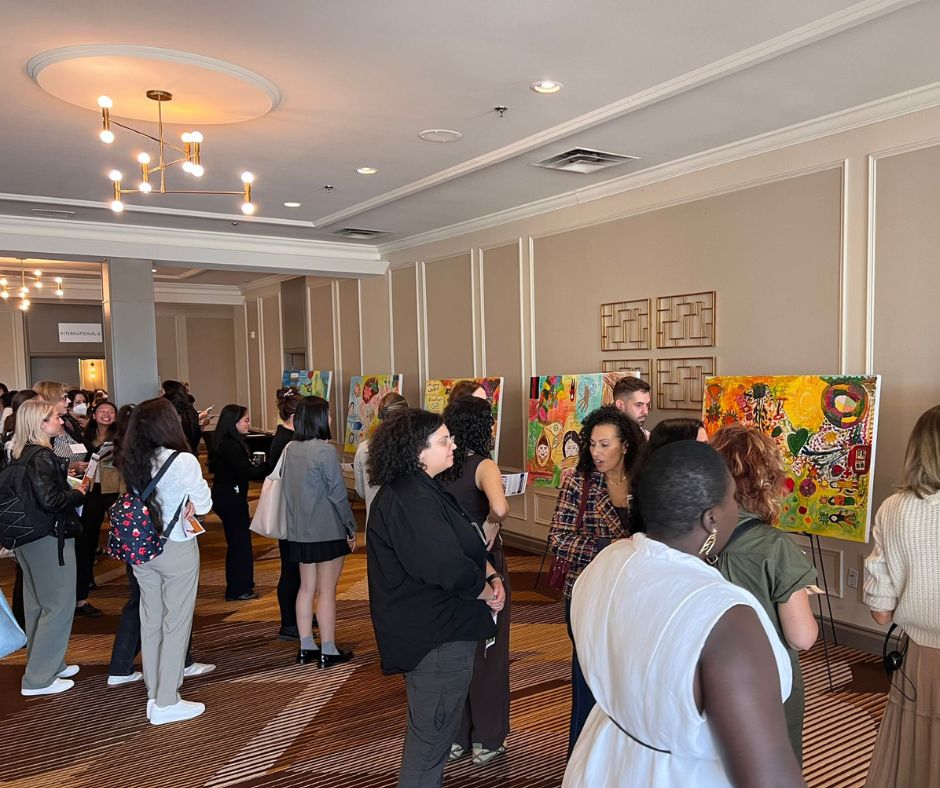
Advancing trauma- and violence-informed innovation
The Knowledge Hub conference brought together researchers, service providers, community leaders, and advocates from across Canada to explore how trauma- and violence-informed approaches can create safer, more equitable systems of care. Throughout the conference, conversations emphasized the importance of collaboration, innovation, and community-driven solutions that recognize the lasting impacts of interpersonal, structural, and systemic violence.
Within these important discussions, the HEAL Project shared how arts-based and participatory approaches can support healing and connection for newcomer survivors of gender-based violence. Through presentations highlighting expressive arts facilitation, community engagement, and participatory research practices, the project demonstrated how culturally responsive and creative spaces can foster belonging, emotional expression, and collective resilience.
The presentations also created opportunities to exchange ideas with organizations and practitioners working across the GBV, mental health, and health promotion sectors. By sharing lessons learned from the HEAL Project, the team contributed to growing national conversations around arts-based health promotion, trauma recovery, and innovative community-led approaches to care.