Hubs of Expressive Arts for Life (HEAL) Project
The Hubs of Expressive Arts for Life (HEAL) Project advances culturally safe, trauma-informed expressive arts approaches to support the mental health and well-being of newcomer women survivors of gender-based domestic violence, while strengthening community and system capacity to prevent and address family violence.
Access Alliance Multicultural Health and Community Services (Access Alliance) led the HEAL Project, funded by the Public Health Agency of Canada (PHAC). It is a collaborative, culturally safe initiative designed to support vulnerable newcomer survivors of domestic and family violence in Toronto.
Working alongside peer researchers, community members, and academic and community partners, HEAL uses creative, trauma-informed expressive arts interventions to promote healing and well-being.
Through a co-designed, community-based participatory research approach, the project aims to strengthen capacity, improve physical and mental health outcomes, and identify promising practices for addressing family violence.
Newcomers and domestic violence
The HEAL Project emerged as a response to the increased risks and impacts of gender-based domestic violence experienced by newcomer women, intensified during the COVID-19 pandemic. Building on over two decades of expressive arts and community health practice at Access Alliance, HEAL emerged as an interdisciplinary, participatory initiative designed to address gaps in culturally responsive mental health supports.
In 2022, Access Alliance received funding from the Public Health Agency of Canada to implement HEAL as a four-year project focused on prevention, healing, and systems change. Early co-design sessions, advisory consultations, and sector-wide engagement shaped the 12-session expressive arts model and its evaluation framework. Since its launch, HEAL has grown into a collaborative hub connecting survivors, artists, researchers, service providers, and policymakers.
What is the HEAL project?
The HEAL Project is a community-based, collaborative initiative focused on supporting newcomer survivors of gender-based domestic violence in Toronto. Led by Access Alliance Multicultural Health and Community Services, the project explores how expressive arts therapies can improve the health and well-being of participants, while identifying promising, culturally responsive practices for trauma-informed care. Key research questions:
- Which expressive arts modalities are most effective in supporting survivors’ mental and physical well-being?
- What are the baseline needs of newcomer survivors of domestic violence?
- What measurable changes can we expect in participants’ attitudes, knowledge, and practices through the HEAL program?
- How can effective interventions be scaled and shared across sectors?
Project objectives
The HEAL Project aims to improve individual healing outcomes, strengthen organizational capacity, and contribute to system-level change through expressive arts and community-based research. The program seeks to:
- Improve the mental, emotional, and social well-being of newcomer survivors of gender-based domestic violence
- Deliver culturally responsive, trauma- and violence-informed expressive arts interventions
- Engage survivors as co-designers, peer researchers, and knowledge holders
- Strengthen interdisciplinary collaboration across settlement, health, arts, and violence prevention sectors
- Generate evidence and promising practices to inform service delivery, policy, and future programming
Project activities
PHASE 1: Adaptation & intervention planning
The Research and Evaluation team reviews existing expressive arts practices and tailors interventions to the cultural needs of six implementation groups, with guidance from an advisory committee of experts in healthcare, settlement, and expressive arts.
PHASE 2: Implementation & data collection
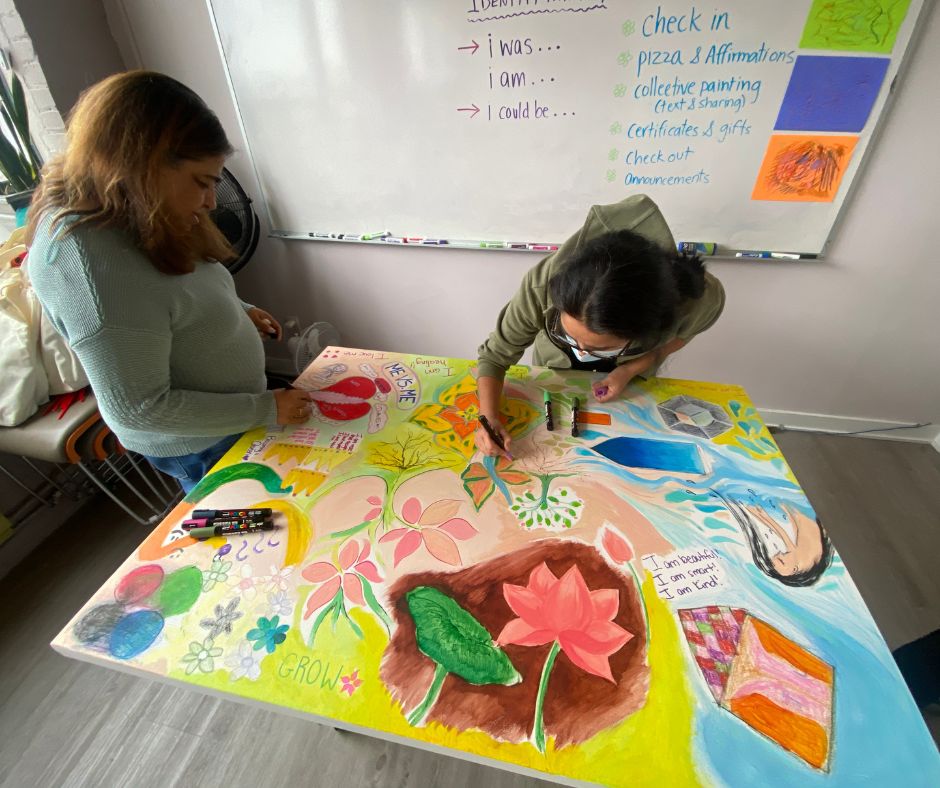
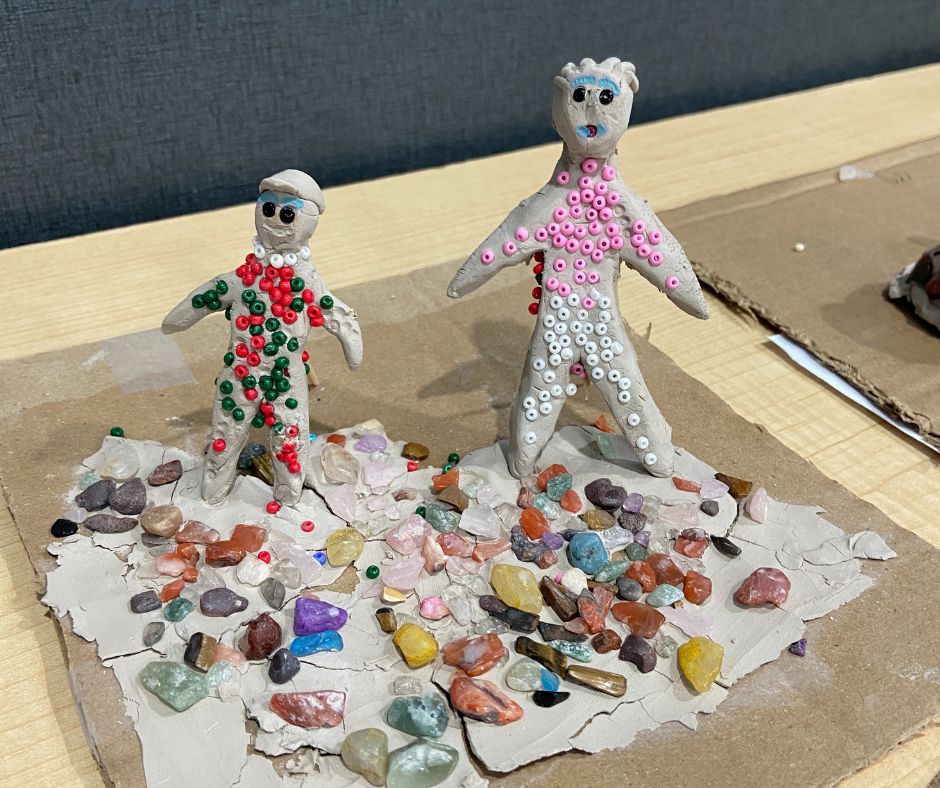
Subproject objectives, art mediums, schedules, and activities are co-designed with participants. An evaluation framework is established to measure changes in participants resulting from the interventions.
PHASE 3: Program delivery & data analysis
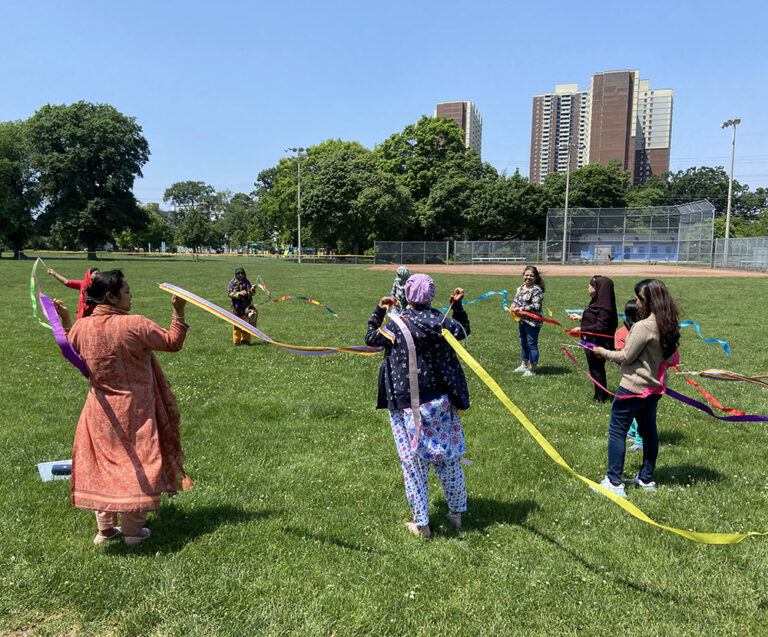
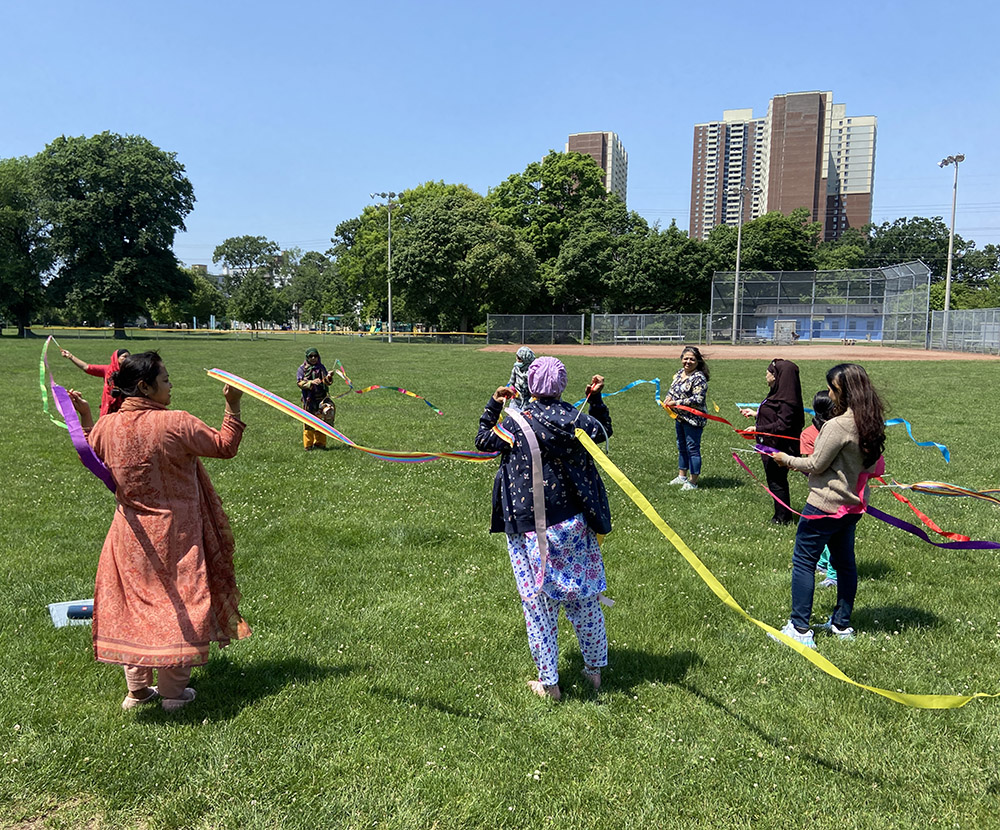
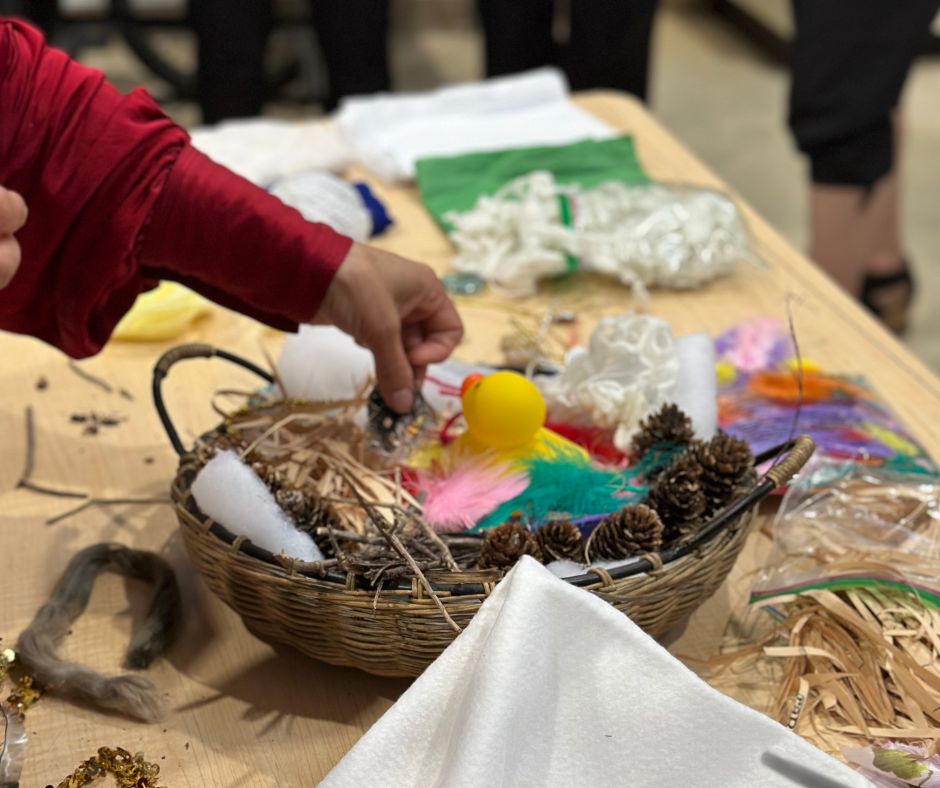
Partner organizations receive facilitators and resources to deliver the 12-week HEAL program. Participants engage in arts-based activities focused on self-care, healthy relationships, safety, mental well-being, and rights in Canada, with confidentiality and access to support ensured regardless of disclosure.
PHASE 4: Knowledge mobilization & capacity building
Findings are synthesized and shared through knowledge products and community reports. The HEAL program evolves into a multisector hub for networking, collaboration, and future expressive arts initiatives.
Project team
Axelle Janczur, Former executive director
Akm Alamgir, Director of organizational learning and knowledge
Christen Kong, Health promoter & HEAL project coordinator
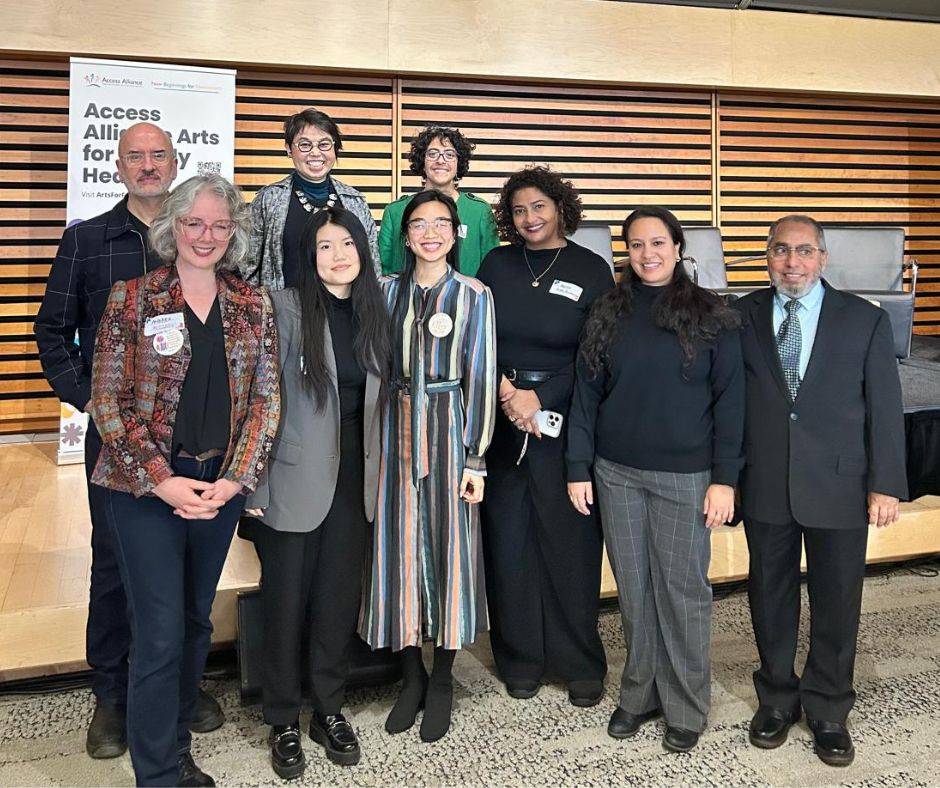
Advisory committee: A team of interdisciplinary members, including experts on gender-based violence, health promoters, settlement workers, art therapists, public health professionals, researchers, and peers. They advise on intervention and evaluation design and provide guidance on ethical practices based on their expertise.
Research & evaluation team: Led by Akm Alamgir, Research Lead, along with four immigrant insights research fellows, trained peer researchers, placement students, and volunteers. They design, develop, and implement the research and evaluation components of the project.
Program implementation team: The HEAL Project collaborates with over 13 partner organizations, including settlement agencies, shelters, and community arts groups, to deliver the program and share findings. A multidisciplinary team of facilitators and peer researchers supports culturally safe, trauma-informed implementation and knowledge mobilization throughout the project.
Co-design approach
This approach ensures that program design, implementation, and evaluation are culturally responsive, ethical, and grounded in lived experience. Ways co-design was implemented:
- Survivors, peer researchers, and community members participates in in planning, shaping the structure, content, and cultural relevance of the HEAL program.
- Advisory Committee members convened virtually 2 – 3 times annually to provide guidance on trauma- and violence-informed practice, ethics, intervention design, and evaluation.
- Partner organizations and facilitators offered their expertise on culturally tailoring art based activities, recruitment, program delivery, participant safety, and ongoing reflection.
- Research team members trained peer researchers and partners across all phases to support research and evaluation activities.
- By actively involving community members and practitioners, the HEAL Project ensures its work stays responsive to community needs while fostering sustainable, meaningful impact.
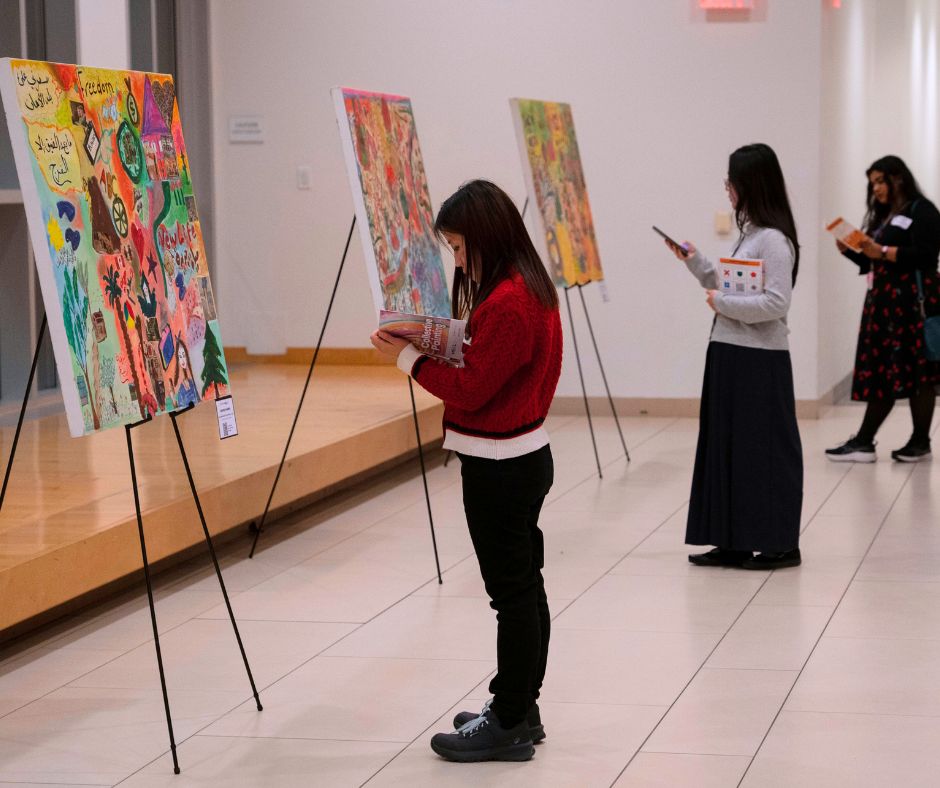
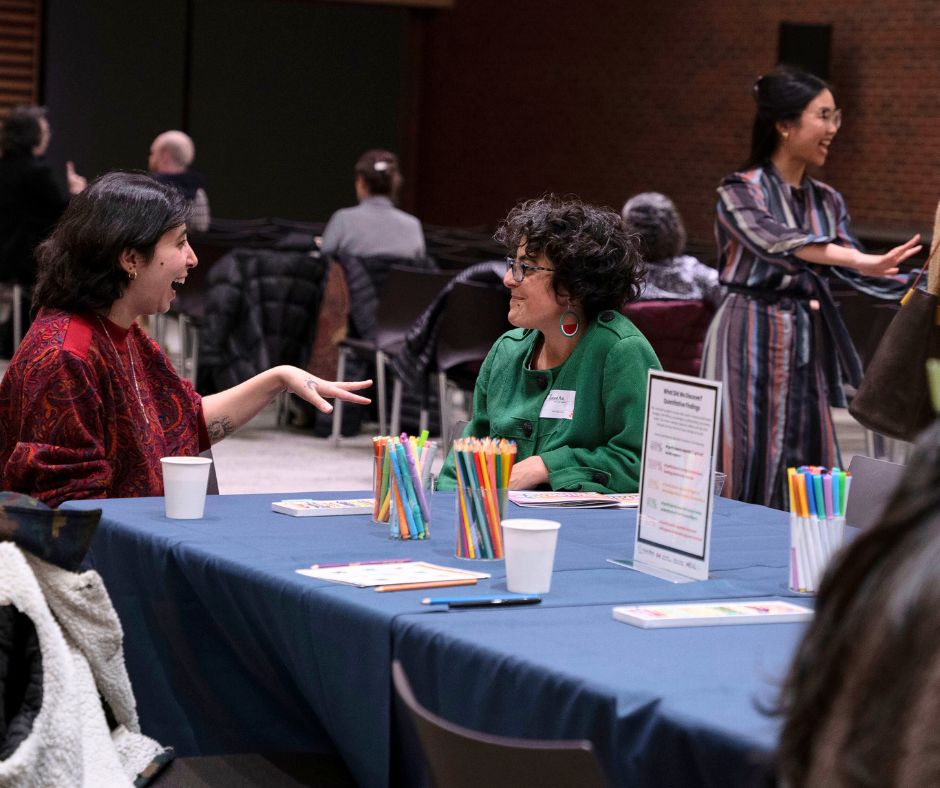
Project impact
The HEAL Project has demonstrated measurable impact across individual, organizational, and systems levels. We continue to hear reports from partner organizations and participants the longer term impacts across several years.
MICRO level: Supporting individual and interpersonal healing
Participants reported improved emotional regulation, reduced stress and isolation, increased confidence, stronger coping skills, and greater awareness of rights and support services.
MESO level: Strengthening community action and reorienting services
Partner organizations strengthened trauma- and violence-informed practice, expanded interdisciplinary collaboration, and increased the integration of expressive arts within mental health and settlement services.
MACRO level: Building healthy public policy and sustainable systems
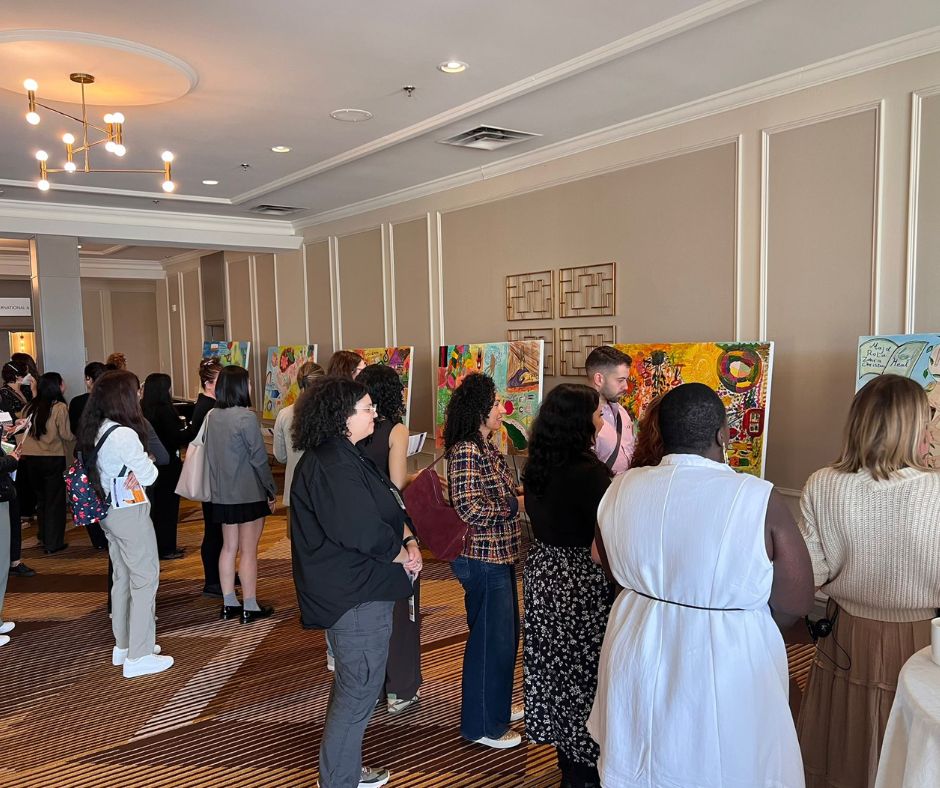
HEAL contributed to Canada’s gender-based violence knowledge base through peer-reviewed publications, policy resources, conference presentations, and national knowledge-sharing initiatives.
Sustainability: What’s next?
The HEAL Project establishes a scalable, evidence-informed model for culturally grounded expressive arts programming that extends beyond the project’s funding period.
Sustainability is supported through:
- Ongoing integration of expressive arts within Access Alliance mental health and settlement services
- Continued maintenance of the Arts for Family Health Digital Resource Hub
- Professional development workshops, community showcases, and knowledge mobilization activities
- Strengthened workforce capacity among facilitators, peer researchers, and partner organizations
Looking ahead, HEAL will continue to inform practice, policy, and cross-sector collaboration, contributing to long-term prevention and healing for newcomer communities affected by gender-based domestic violence.
Acknowledgements
We are would like to gratefully acknowledge the many people who have contributed their time, energy and insights to this project. Thank you to project participants in Toronto who have contributed their knowledge and experience towards these promising practices. It has been an inspiration and a privilege to meet with and learn from you throughout this project. A grand thank you also to the independent practitioners and staff from many community organizations that continue to walk alongside us.
Advisory Committee: Aamna Ashraf, Deepa Mattoo, Izumi Sakamoto, Nasima Akter, Roxanna Vahed, Ruth Wilson, Shankari Belandra, Serena Nudel, and Sayani Paul.
Special thanks to our implementation organizations: Arab Community Centre of Toronto (ACCT), Canadian-Bangladeshi Community Services (BCS), Toronto Neighbourhood Group (TNG), Sherbourne Health, Art + Health Team, Barbra Schlifer Commemorative Clinic.
Project Research Fellows: Oeishi Farquzzaman, Shangjucta Pooja, Shruthi Anne Thomas, and Jasmine Sidhu.
Thank you to Victor Szeto for creatively presenting the content as our graphic designer.