Healing arts for newcomer well-being: Culminating event

By Jasmine Sidhu, Applied Psychology PhD(c) and HEAL research fellow 

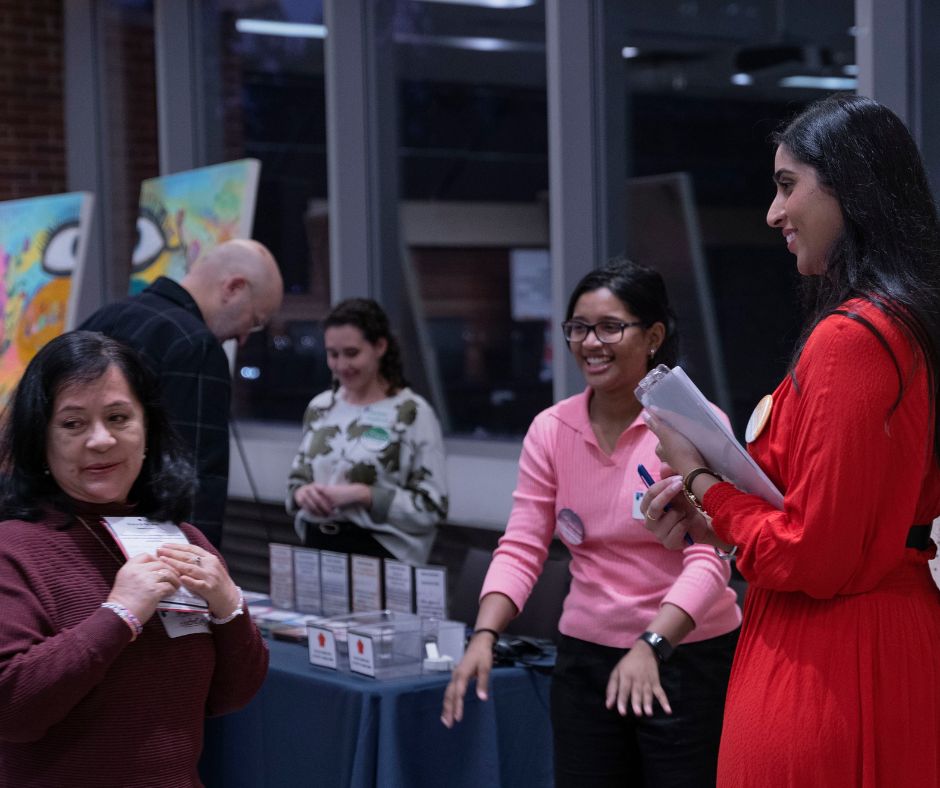
What an incredible event! On November 12, 2025, Access Alliance hosted Healing Arts for Newcomer Family Wellbeing at the Toronto Reference Library. While it was dark and rainy outside, attendees were welcomed into a space filled with warmth and colour. It was an energetic, inspiring evening, bringing together community members, and professionals from the arts, mental health, healthcare, and settlement sectors.

This event marked the culmination of our Hubs of Expressive Arts for Life (HEAL) project, funded by the Public Health Agency of Canada | Agence de la santé publique du Canada. The HEAL project supported newcomer women survivors of gender-based violence through creative, trauma-informed care.

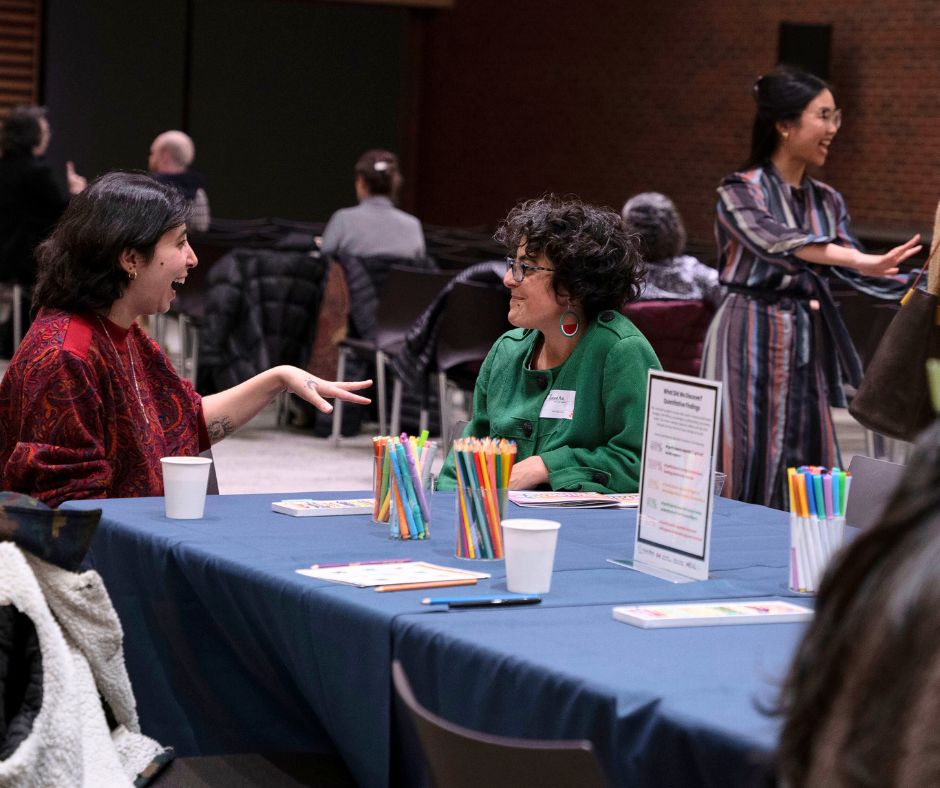
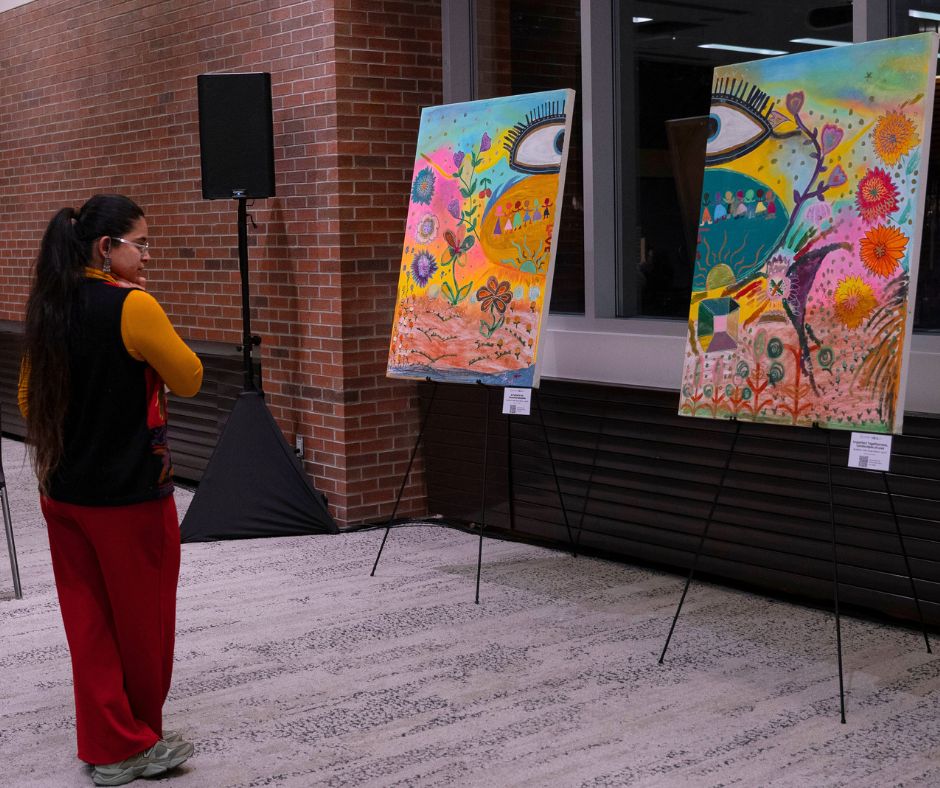
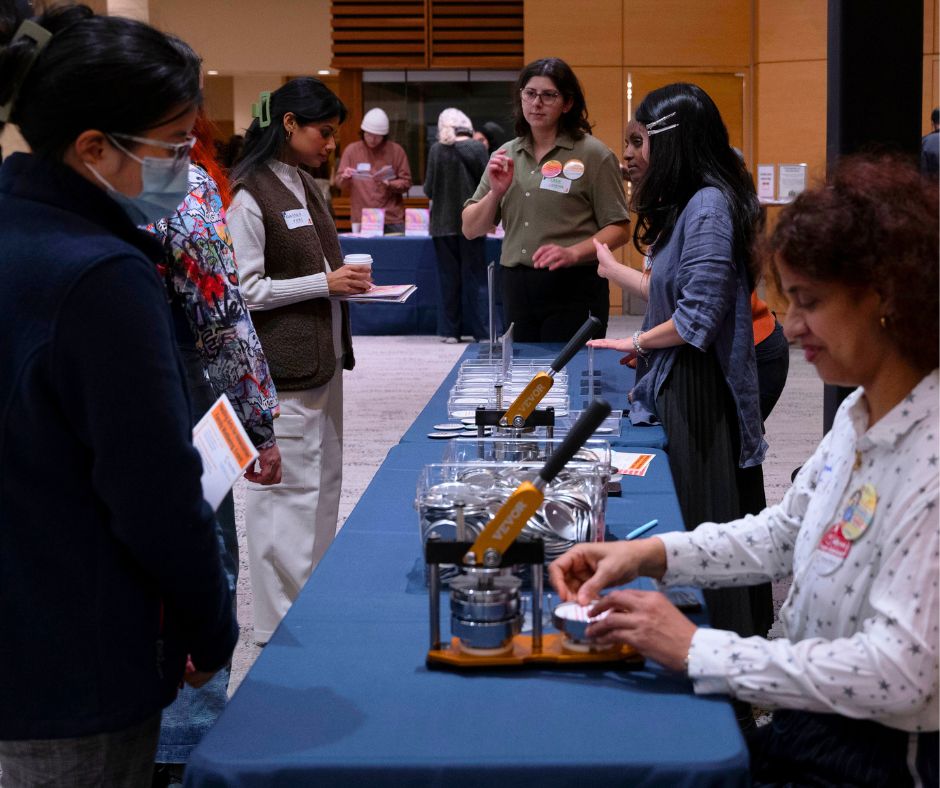
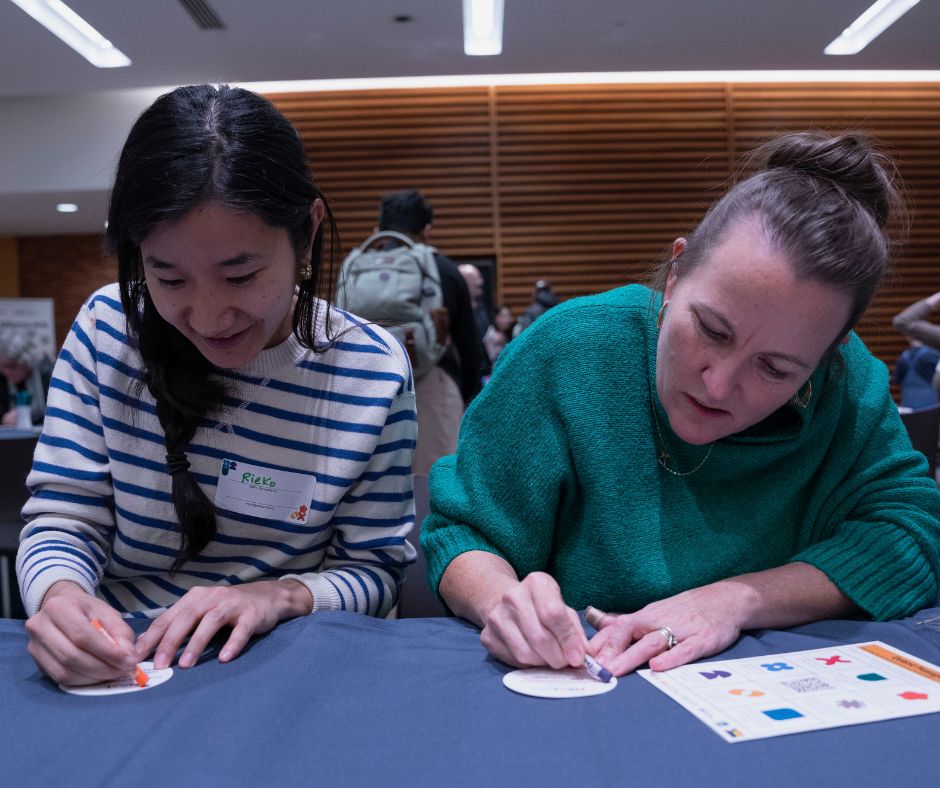
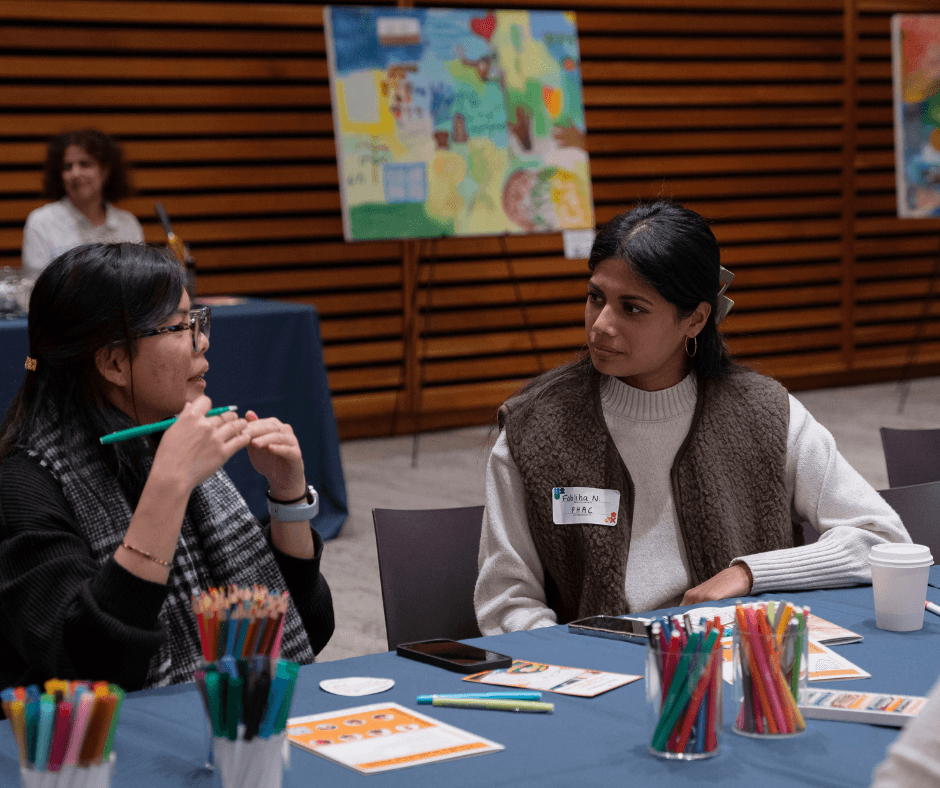
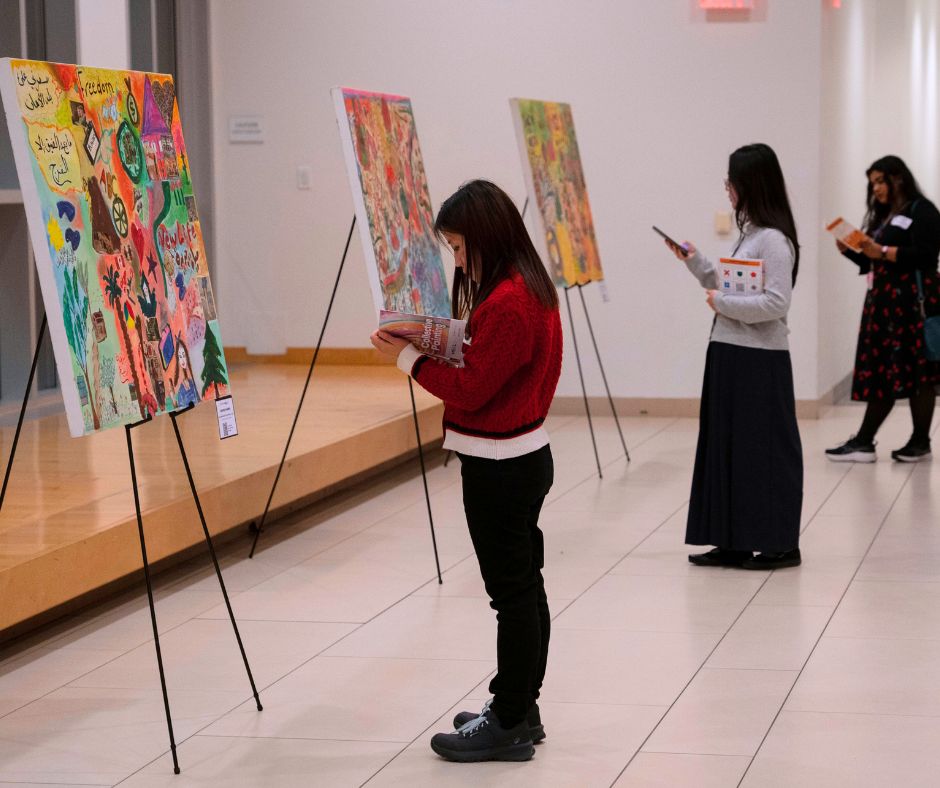
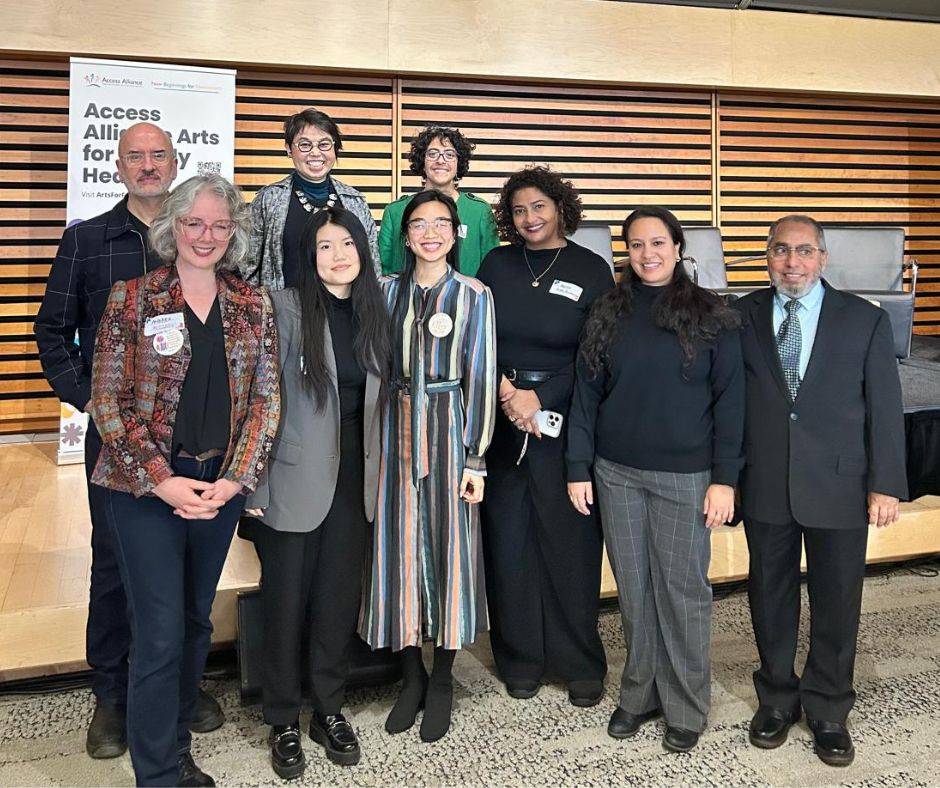
Attendees gathered together for creative button design, toured our collective painting gallery, shared and received knowledge via activity cards, and made connections. Our incredible panel, AKM Alamgir, Andrea Charise, Izumi SakamotoMaggie ToRoxanna Vahed, moderated by Christen Kong. The panel shared rich insights on the unique value of expressive arts in supporting newcomer survivors of violence and trauma.

“Art and craft give people a joyful way to express and work through their feelings, helping release trauma and painful experiences from both their home countries and their journeys to Canada.”
- Cliff Ledwos, Acting Executive Director & Primary Healthcare
Over the past four years, we learned about the challenges, the pain experienced by vulnerable communities, and the true meaning of family wellness.”
- Akm Alamgir, Director of Organizational Knowledge and Learning

Interdisciplinary panel on arts integration

One of the highlights of the evening was a lively panel conversation, moderated by Christen Kong, featuring panelists AKM Alamgir, PhD, Andrea Charise, Izumi Sakamoto, Maggie To, and Roxanna Vahed. Together, they explored how expressive arts support newcomer mental health and wellbeing. The panelists shared how arts-based practices create accessible paths to healing, connection, and self-expression, while also helping people navigate systems.

Panelists offered real-life examples showing how creative practices build empowerment and personal growth. They discussed emerging ideas like social prescribing, which weaves cultural and creative resources into holistic wellbeing strategies. Across healthcare, settlement, and arts sectors, these approaches encourage collaboration and support sustainable, community-centered ways of supporting newcomer communities.

The discussion closed with reflections on the lasting value of arts-based approaches. Speakers emphasized that bringing artists into interdisciplinary teams is key to sustainable, culturally responsive, and accessible mental health supports. The takeaway was simple: expressive arts belong at the heart of mental health, settlement, and community services today.
Collective painting exhibit

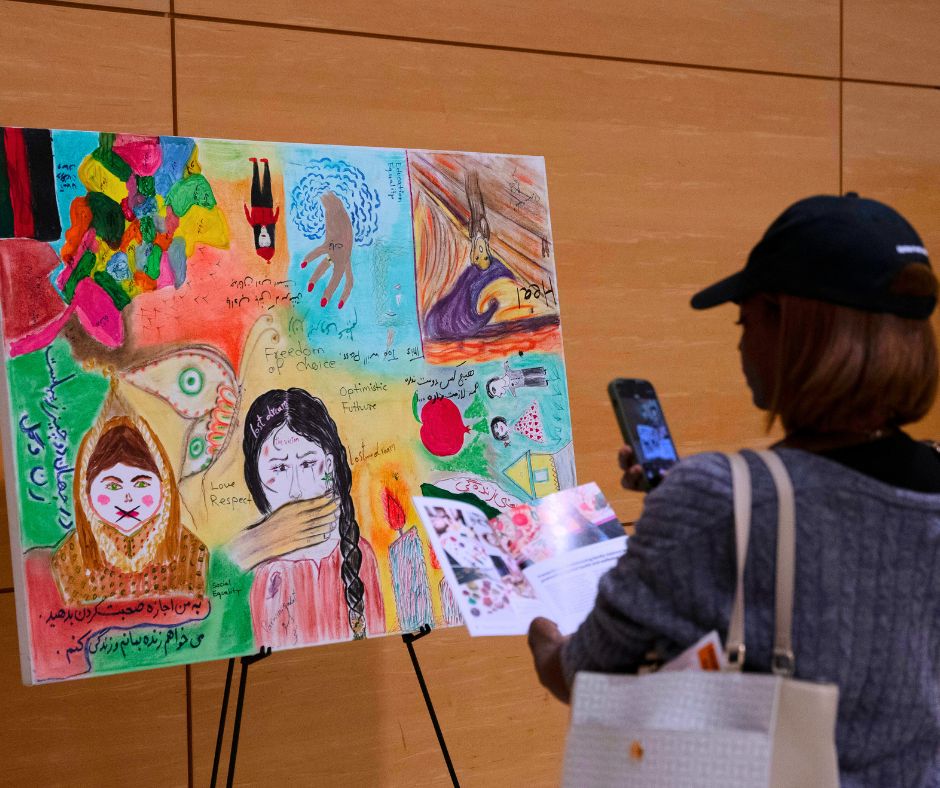
We are honoured to present the HEAL collective painting exhibit, a collection of 12 works created by HEAL program participants. These paintings visually express journeys toward hope, resilience, and healing.

Each artwork tells a unique story, reflecting the experiences, creativity, and strength of newcomer women navigating resettlement. Through symbols, colors, and textures, the paintings provide a powerful space for reflection, storytelling, and community connection.

The exhibit demonstrates the transformative power of art in overcoming trauma. Attendees explored the gallery, seeing how collaborative, trauma-informed, and culturally grounded arts practices foster healing, raise awareness, and build solidarity. Each canvas stands as a testament to the strength of newcomers and the role of expressive arts in supporting mental health, personal growth, and community connection.

Data visualization button making

Another highlight of the evening was an interactive button making activity that invited participants to get creative. Guests designed personalized buttons inspired by mental health and personal growth themes. Some buttons featured prompts or blank templates, while others shared quantitative and qualitative findings from the HEAL programs.

The activity offered a visual and reflective way for participants to express their thoughts, feelings, and experiences while engaging with program data. It sparked conversation and connection, showing how artistic expression and data visualization can come together to deepen understanding of newcomer wellbeing.

"One of the greatest opportunities is supporting newcomer families affected by violence and trauma in sharing their stories and processing their experiences through art. For many, words are not always the most accessible or safest way to process trauma. Art can transcend language barriers, support emotional expression, and help individuals reconnect with themselves and their communities."
- HEAL event participant

Share & receive activity cards

The event also featured the share & receive knowledge exchange activity, designed to foster reflection, connection, and cross-sector learning. Activity cards were based on five key project themes identified through pre- and post-program surveys measuring outcomes like self-efficacy, knowledge, understanding, and mental health.

Attendees responded to questions on the cards, which were then displayed on a pegboard. Participants could hang a card and take another with them, creating a dynamic exchange of ideas. This activity demonstrated how collective knowledge sharing builds community connections, supports newcomer wellbeing, and reinforces the value of interdisciplinary collaboration in arts-based programs.

What's next: Arts sustainability

The HEAL project has demonstrated that expressive arts are a powerful, sustainable tool for supporting newcomer mental health and healing. Access Alliance will continue incorporating arts-based approaches across healthcare, settlement, and community services.

Future initiatives will prioritize sustaining creative programs, expanding social prescribing models, and fostering collaboration with artists and practitioners. By embedding arts into holistic wellbeing strategies, these efforts will continue to empower newcomers, strengthen community connections, and provide culturally responsive, trauma-informed support for mental health and personal growth.

Gratitude to Access Alliance research and evaluation team, partner organizations, placement students and volunteers that made this event possible. 

"Artists should be recognized as part of the professional healthcare team. There is extensive evidence demonstrating the role of the arts in improving mental health, and this should be reflected in how we envision team-based care—by including individuals who are highly trained, skilled, and experienced in using the arts for healing."
- HEAL event participant
Category

Facilitated Training Booking