By Dena Pourbazargan, Expressive arts therapy student placement
Settling into the space
What happens when someone is invited into an arts-based program but has spent a lifetime believing they are “not creative”? This was one of the questions I found myself returning to again and again throughout my placement.
I completed a year of practice at Access Alliance as an expressive arts therapy placement student, facilitating three newcomer well-being arts programs. This reflective piece traces my development as a practitioner and explores what it meant to hold space for honest expression among newcomer individuals and their communities.
I often arrived as participants settled into the program space, many engaged in conversation and finding comfort in a warm beverage. I sensed a growing curiosity that gradually drew us into the session. What felt most significant was not any single activity, but the way the process unfolded over time as we returned to one another week after week.
Before each session, I grounded myself by attuning to what I carried from my personal life and from the world around me. I paid attention to my emotional state, my body, and current events, particularly those connected to my home country. At times, I shared small pieces of my own experience. It was not about self-disclosure for its own sake, but about modelling presence, honesty, and a willingness to sit with uncertainty and imperfection. I found that this openness strengthened the therapeutic relationship and helped foster trust, connection, and a sense of shared humanity within the community.
The role of art -based therapist
As an arts-based therapist, I believed it was important to make room for participants’ inner worlds, layered histories, songs, dances, and rituals. The depth of their lived experiences kept me deeply engaged in the work. I aimed to support each person in stepping beyond their comfort zone and expressing parts of themselves that might otherwise have remained hidden. This required staying present and attuned, while at times stepping back to allow the artwork and the artists to take their own shape.
I noticed that some participants gravitated toward responses that mirrored those of others. Rather than viewing this as a lack of originality, I came to understand it as a way of navigating the group space. Staying close to familiar ideas appeared to reduce the risk of standing out or saying something “wrong.” Through this, I was reminded that feelings of safety and belonging often preceded authentic self-expression.
Finding the Rhythm Together
As the weeks went on, we moved between moments of coming together and individually. We began with gentle check‑ins using words, breathwork, grounding practices, or even a dance party. These check in activities helped people reconnect with themselves before beginning the practice of self‑care through the arts.
From there, we moved into “studio time” where participants worked on their own pieces within the shared space. In and out of this rhythm, togetherness, to individual exploration, and back again. That fluidity allowed people to engage at their own pace while still feeling connected.
Risk, flow, and trust
One of the shifts that stood out most over time was about risk. Participants started taking small creative risks, experimenting with new materials and colour more freely. There was something significant about working with their hands. As familiarity grew, participants entered into a state of creative flow.
The focus of art‑making shifted from concerns about getting it “right” toward a deeper engagement with the process itself. For some, risk‑taking involves sharing their work with the group. For others, it meant remaining in the art-making process for longer periods and for others they stepped into an active and visible role in the group. While these changes were often subtle, they were impactful.
“I made this”, cultural sharing
It is meaningful to say, “I made this.”, not because of its aesthetic outcome, but because it exists. One participant shared, “I have all my art from this class up in my living room. My daughters like to come and admire my work.”
As participants gained greater comfort, sharing about cultural rituals became more prevalent, an intention I had been holding from the beginning. These offerings emerged organically toward the later stages of the program, as trust and safety had been established.
During a breathwork activity, one participant volunteered to share the sound of “Om”. Within her cultural context it is among the first sounds introduced in early life as a baby or child. This transformed the exercise into a form of meditation that was culturally informed. Moments like these fostered connection, presence, and collective calm, while honouring the diverse cultural knowledge within the group.
Migration, grief, and witnessing
Migration can disrupt our sense of self, roles, and belonging. In a group shaped by diverse migration experiences, these layers are present, even when unspoken.
The arts offer a way to engage with hardship and pain without needing to put everything into words . Through images, colours, movement, and shared sensory experience, participants expressed parts of themselves that others could recognize. Songs, stories, and memories from childhood often surfaced spontaneously. During guided reflection, I invited inner worlds to be revealed to others. Participants often described memories they had left behind. When those moments were witnessed, something opened in the room.
Building a healthier self
By showing up each week and continuing to participate despite uncertainty, participants demonstrated courage and commitment. Over time, that growing sense of confidence and self-worth appeared to extend beyond the sessions themselves.
The willingness to take care of oneself, to seek support, and move toward a healthier way of being helped participants see themselves differently. One participant shared the group made her feel more energized and motivated while others showed this by expressing themselves more freely and even stepping into a leadership roles.
By the final sessions, the room felt different. participants moved with more ease. What had once felt uncertain began to feel shared. Something had formed and maybe that is what stays.
Art is not only about expression, it is a way to reconnect with self, to be held in community, and to make space for what is carried, past, present and future. Not because everything had been resolved, but because it no longer had to be carried alone. And that, in itself, feels like a meaningful place to begin.
My own story, my own story
I remember I too once arrived in Canada. I chose Access Alliance for my student placement because I desired to learn how expressive arts could take root in the everyday realities of people who, like me, were navigating new cultures, languages, and shifting identities. As an Iranian refugee, I had a deep connection to the struggles and resilience of newcomers, and I wanted to hold space for the complexities in a creative and compassionate way.
The program welcomed a variety of people, including grandparents, volunteers at the food bank, caregivers, people quietly carrying grocery bags home, and others simply trying to find their way. They were the people in the community, those who shape the city’s landscape just by living in it.
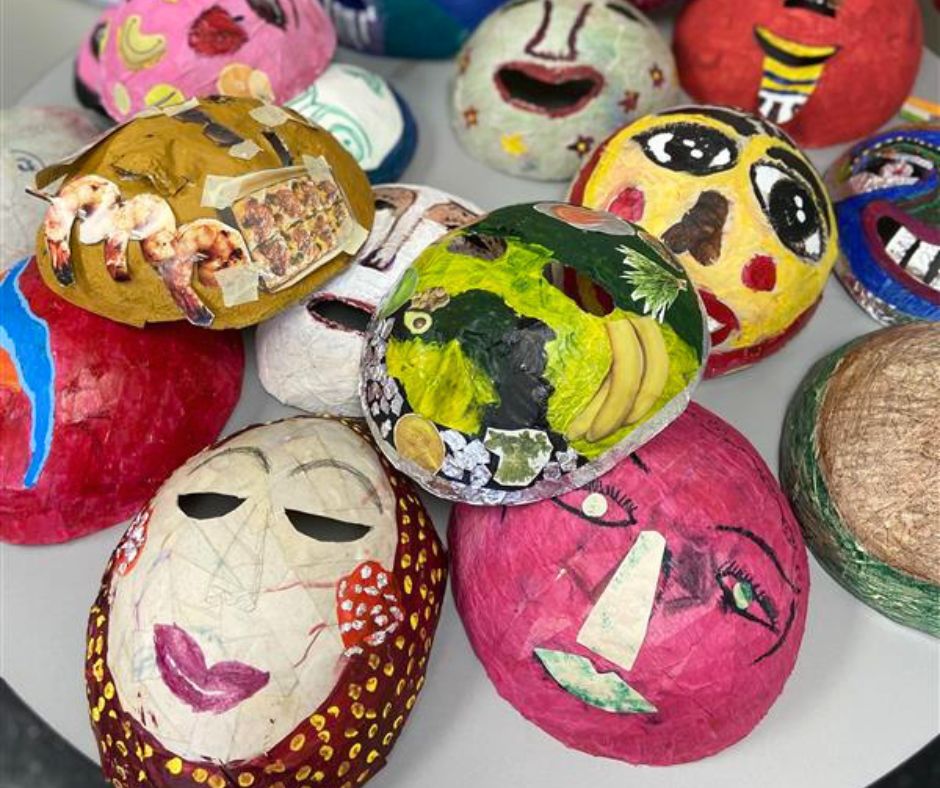
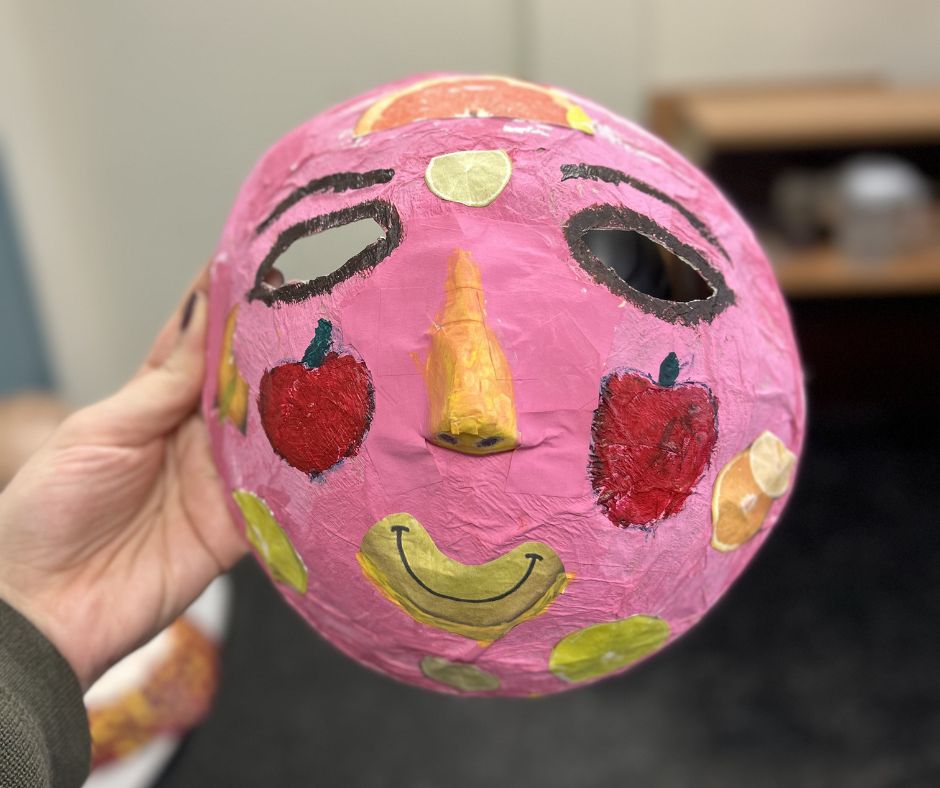
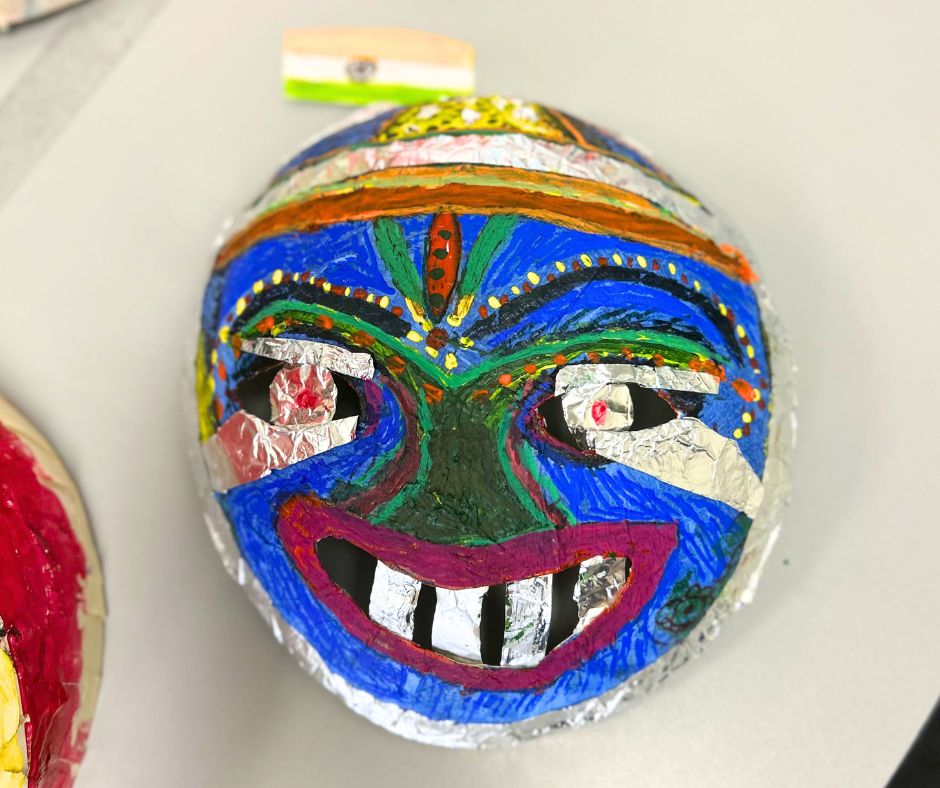
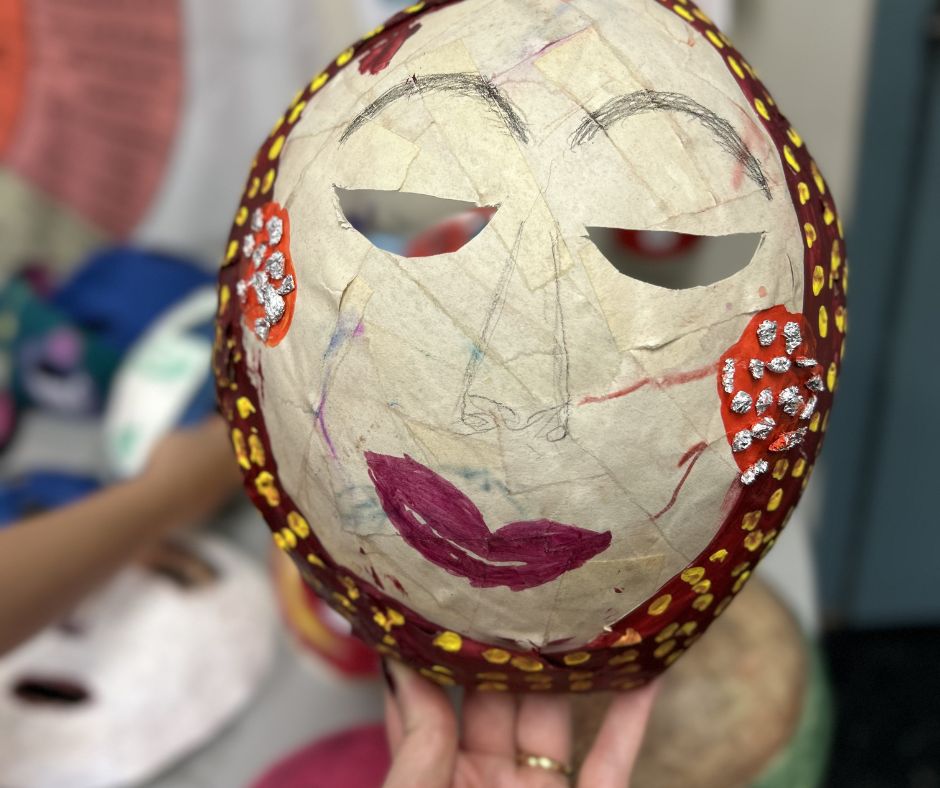
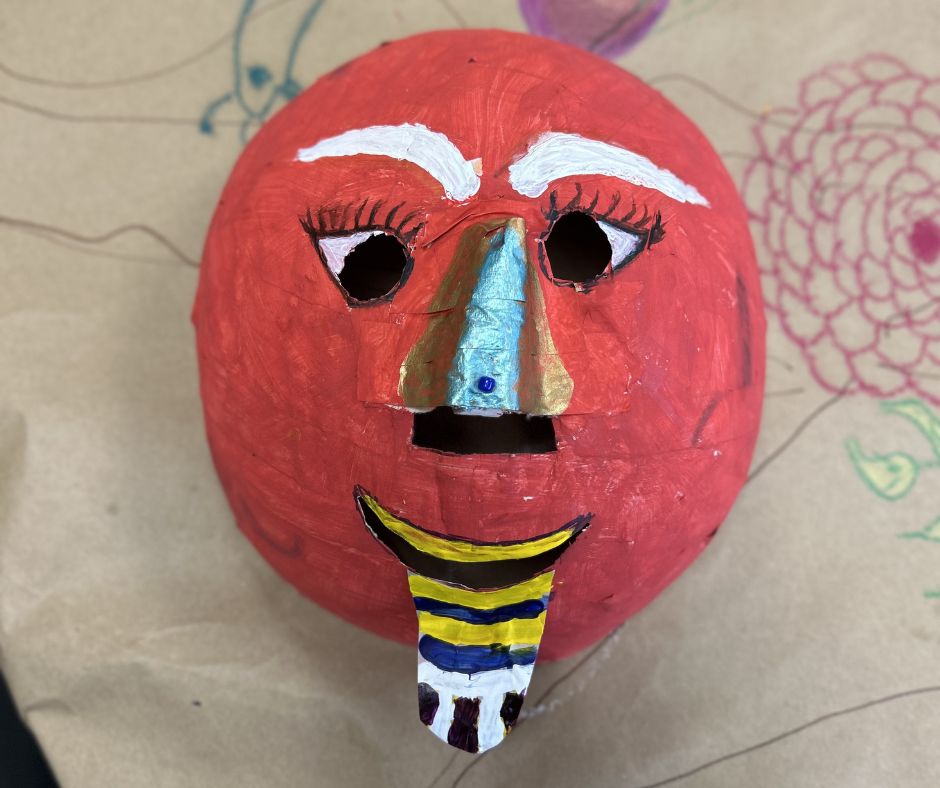
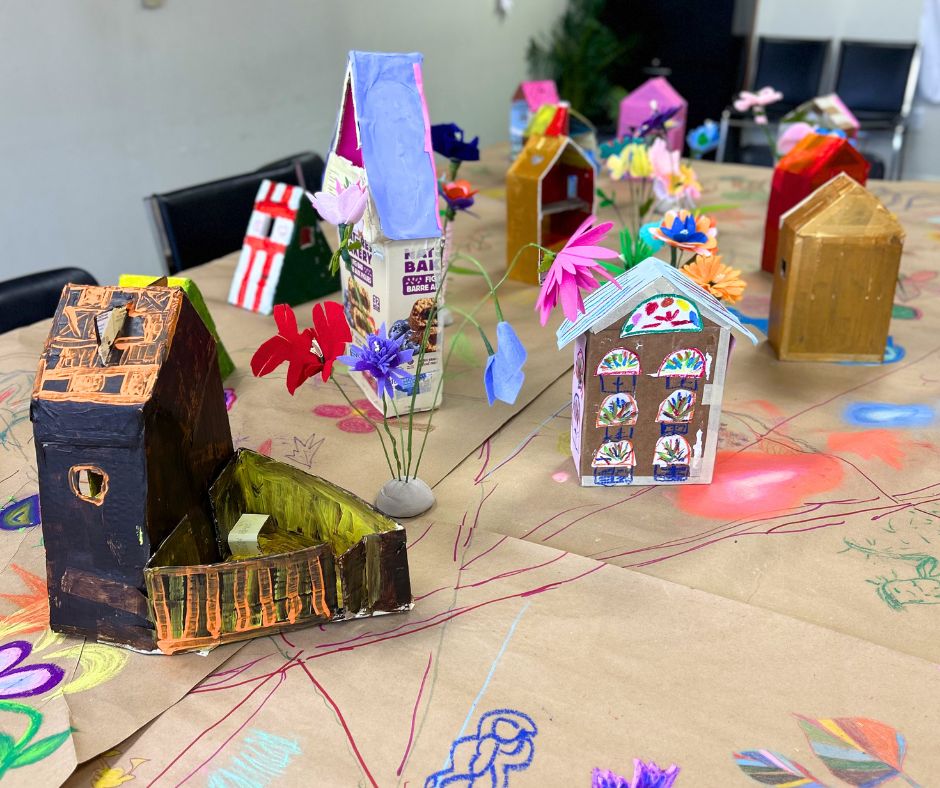
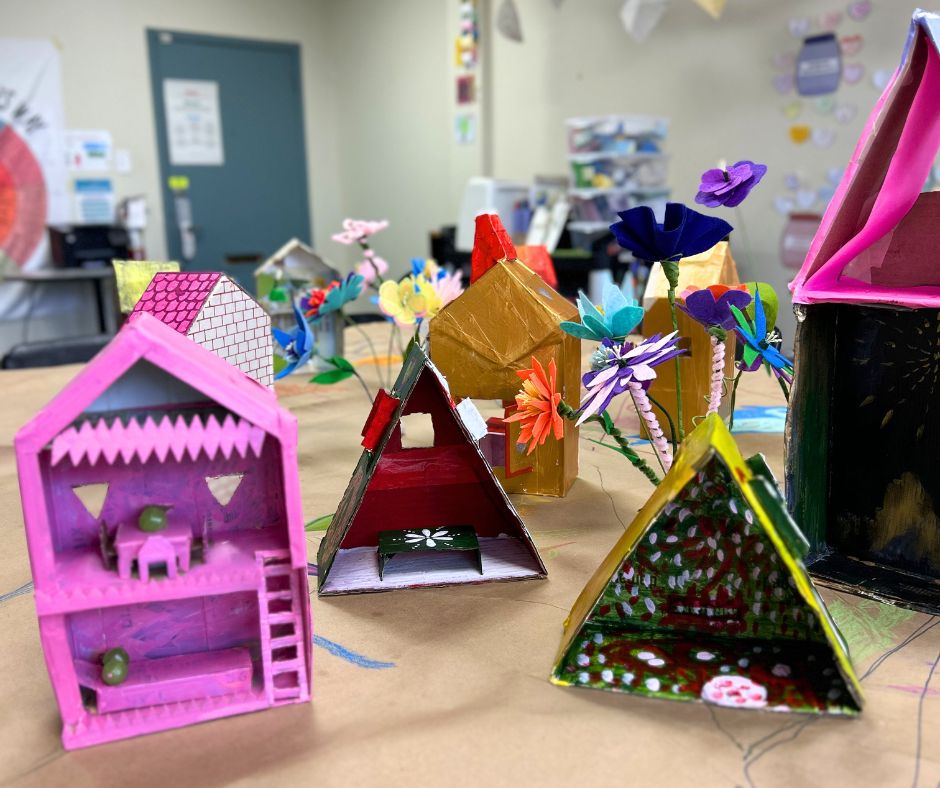
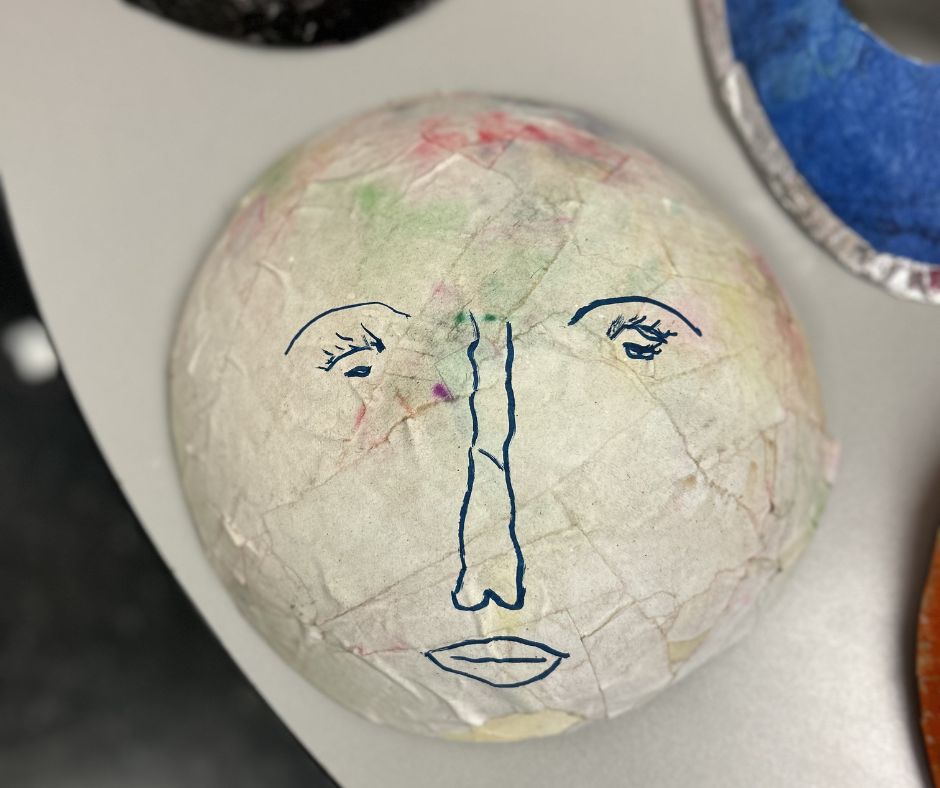
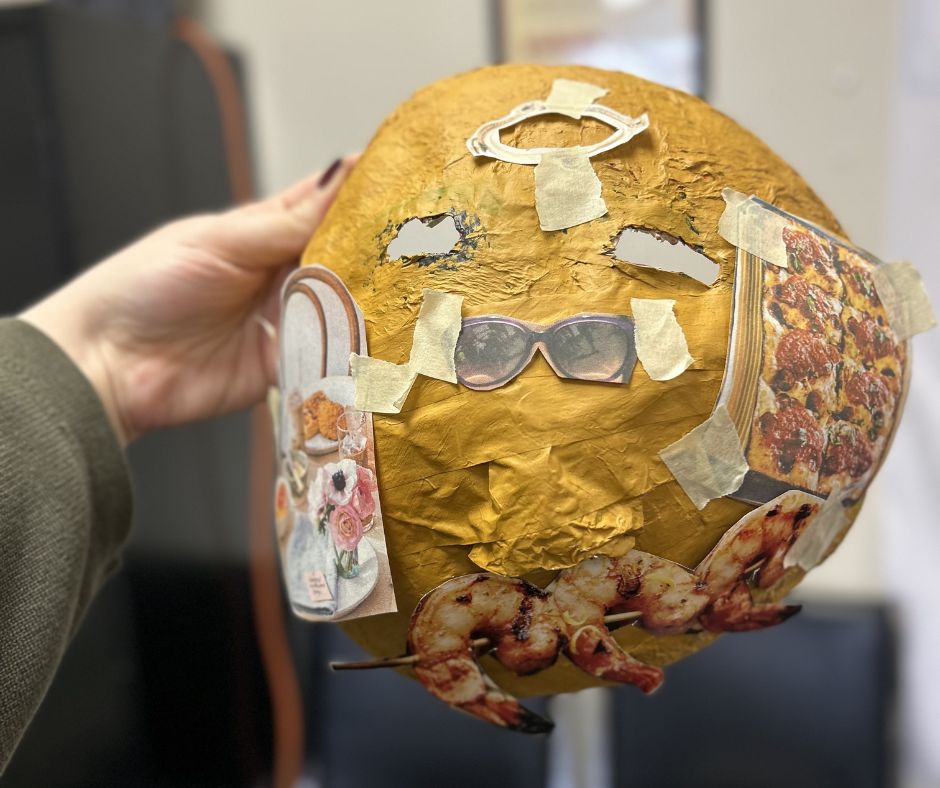
One memorable activity was cardboard house building sessions. Each person’s house became a representation of what “home” meant to them. Another core activity was mask‑making. Over several weeks, participants decorated their masks as how they wanted to be seen. The mask became both a shield and a bridge, allowing something vulnerable to emerge that might not have surfaced in direct conversation. Many shared about their masks: what they might say, remember or sing.
Participants not only discovered pieces of themselves, they also began to trust that their presence mattered, their stories were worth naming, and healing. As Ellen Levine shared with me, “The arts won’t save the world, but they can help.”