By Halena Panico, MSW (C), BA (Hons), CSW, Practicum Student
Over eight months at Access Alliance, I witnessed how arts and cultural activities can support newcomer well-being. Through both research and hands-on facilitation of expressive arts programs, I saw how creative spaces foster healing, connection, and belonging. I also explored social prescribing as a holistic approach, highlighting the role of culture and self-expression in health. These experiences shaped my understanding of non-clinical support as a social worker. This article weaves together research, participant voices, and my own reflections to highlight the value of arts and culture for newcomer communities.
What is social prescribing?
Social prescribing is an increasingly recognized approach to health and well-being that moves beyond traditional clinical care. It connects individuals to non-medical, community-based supports, such as social groups, cultural activities, or volunteer opportunities, to address broader social determinants of health (Dadswell & Bungay, 2025). Typically involving a referral to a “link worker,” it helps individuals engage with meaningful local resources (AHC, 2024). By recognizing the role of social connection, stress, and community participation, social prescribing offers a more holistic, preventative approach to health (AHC, 2024; CISP, 2024).
A growing body of multidisciplinary research shows that social prescribing can improve well-being outcomes, including increased social interaction, reduced loneliness, and better mental health, such as lower anxiety and depression (Dadswell & Bungay, 2025; NASP, 2022). It also supports healthier lifestyles, greater physical activity, and increased confidence in managing one’s health.
What is “arts and culture” social prescribing?
“Arts and culture” is broadly defined to include not only traditional art forms such as music, theatre, dance, and visual arts, but also heritage, literature, museums, libraries, food, nature, and community cultural practices (Dadswell & Bungay, 2025). This expansive definition reflects the many ways individuals engage with creativity and cultural expression in everyday life.
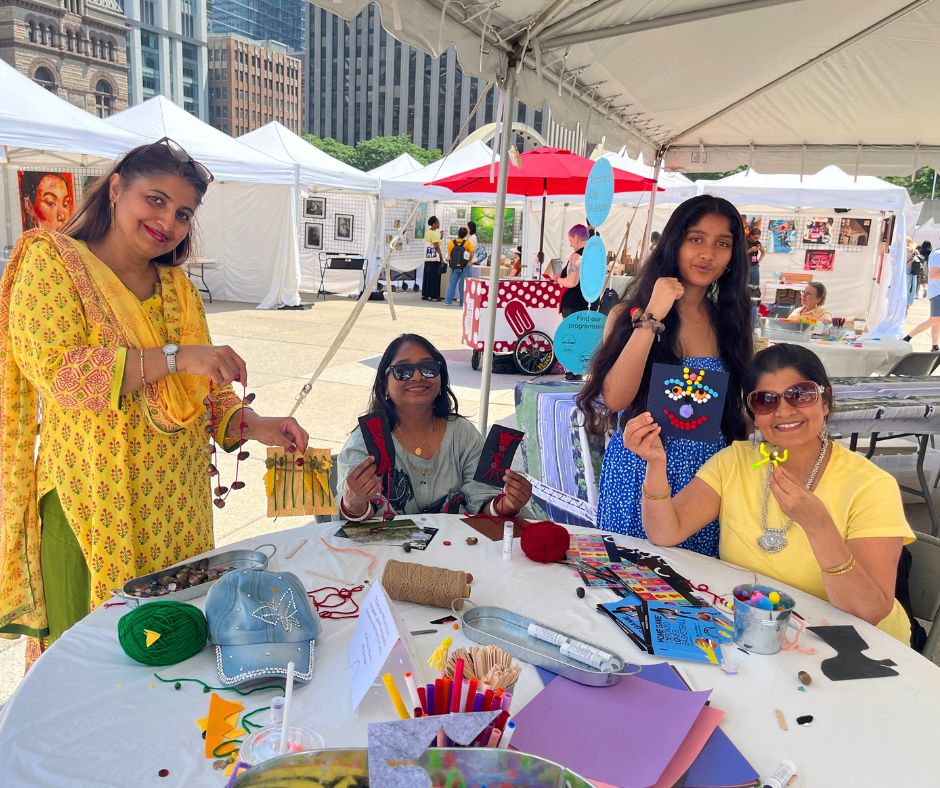
Prescribing arts and culture is a form of social prescribing that focuses on the arts as a resource of strength. This can include museum and gallery visits, community theatre, craft or music groups, nature-based creative activities, heritage walks, culturally relevant food and cooking programs, and artist-led expressive arts workshops. Museums and galleries can be therapeutic spaces, offering quiet, stimulating, and culturally resonant environments where people can learn and reflect outside the clinical environment (Mughal et al., 2022).
Studies have shown that arts and culture interventions can prevent and manage long-term health conditions (Mughal et al., 2022). These experiences can reduce anxiety and social isolation while enhancing self-esteem, a sense of identity, and inspiration (Mughal et al., 2022). By promoting well-being rather than focusing on a person’s illness or disease, these approaches align with broader public health goals and can help reduce strain on healthcare systems (Fancourt & Finn, 2019).
Traditions past and present
Arts and culture as a health intervention has substantial and consistent evidence in both literature and within communities across the globe. Research shows that engagement in creative and cultural activities can lead to a wide range of benefits, including improved emotional, cognitive, and sensory processing, reduced stress, and enhanced overall well-being (Fancourt & Finn, 2019; NASP, 2022). These activities also promote social interaction and physical movement, both of which are key determinants of health.
Arts engagement operates through multiple pathways, stimulating imagination, fostering emotional expression, and encouraging social connection while offering opportunities for learning and skill development (NASP, 2022).
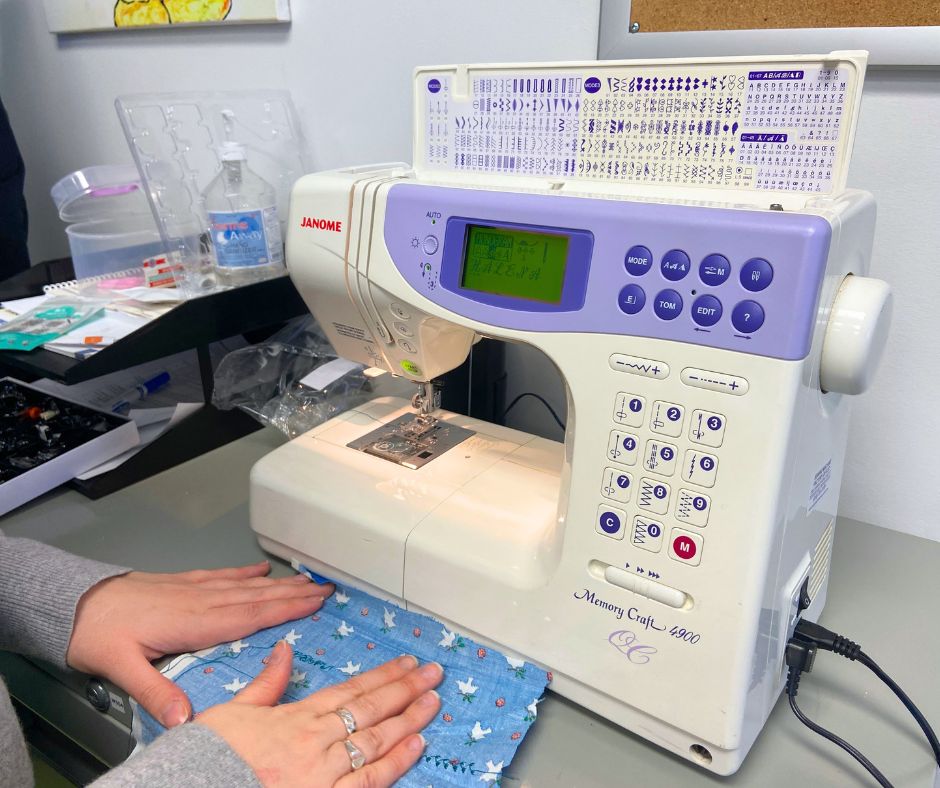
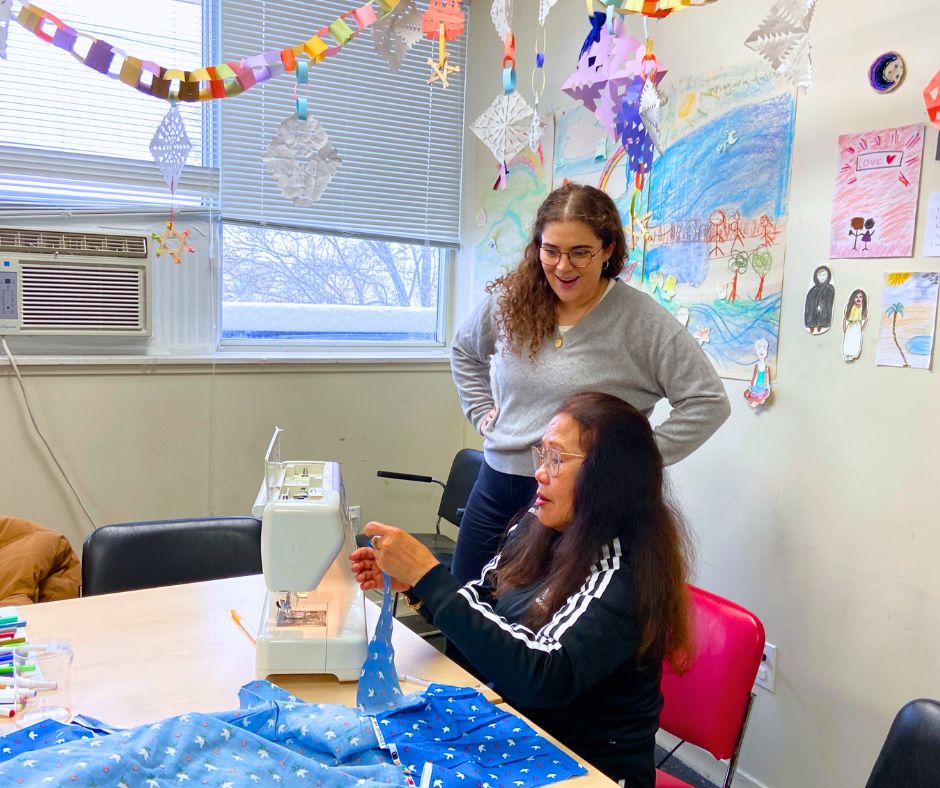
At Access Alliance, I supported a 12-week mending workshop where participants learned repair techniques and used sewing machines. Drawing on my own basic sewing skills, I worked with a community member to upcycle an old dress into a summer skirt. As we sewed over two sessions, she shared memories of watching her mother make clothes something she hadn’t done in decades. What began as a simple project became a moment of reconnection, marked by a clear sense of joy and pride in reviving knowledge passed down across generations.
Why prescribe arts and culture for newcomer communities?
Prescribing arts and culture are unique and effective for newcomers (e.g. immigrants, refugees, asylum seekers, and non-status individuals). Integration in a new country often involves significant challenges, including language barriers, social isolation, cultural displacement, grief, trauma, and anxiety. Arts and culture referrals are particularly effective because they help individuals reconnect with their identities, home, language, and cultural heritage. Cultural expression through music, food, storytelling, or visual art can serve as a bridge between past and present, helping newcomers maintain a sense of continuity while adapting to a new environment (Hiebert & Bronwyn, 2020).
Social prescribing can address migration-related stress and ailments by connecting individuals to community resources that foster culturally and linguistically tailored belonging and well-being (Touzel et al., 2026).
Reconnecting with home
For centuries, art has served as a bridge between diverse communities, creating shared spaces for dialogue and connection. In doing so, it can reduce cultural barriers and foster mutual understanding, contributing to more cohesive communities (Fancourt & Finn, 2019).
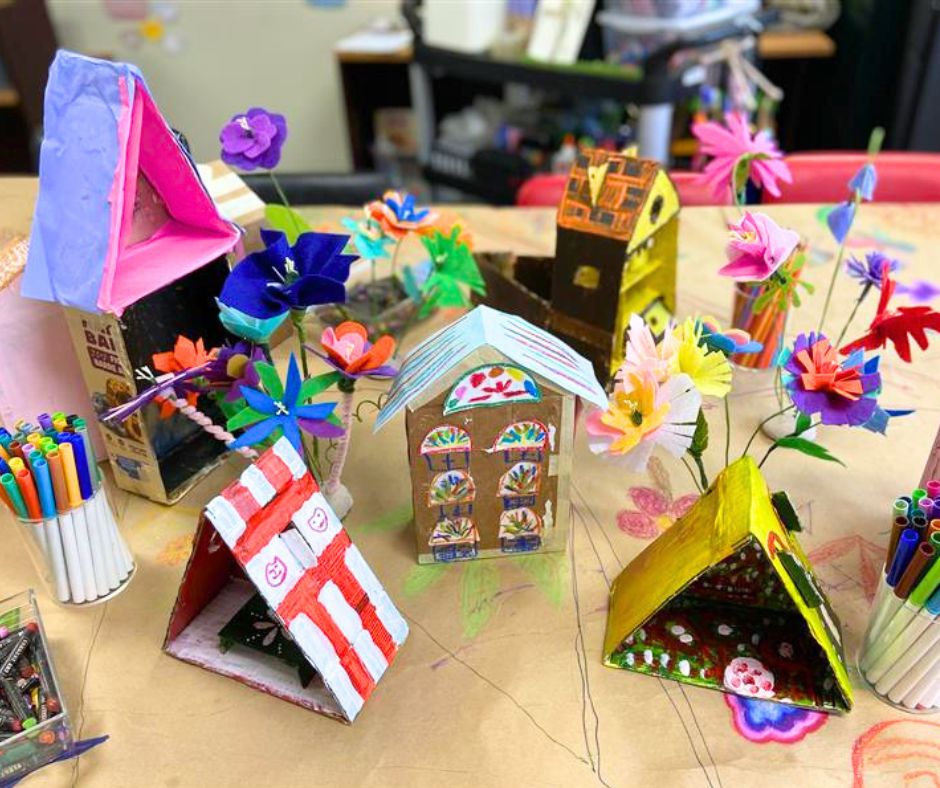
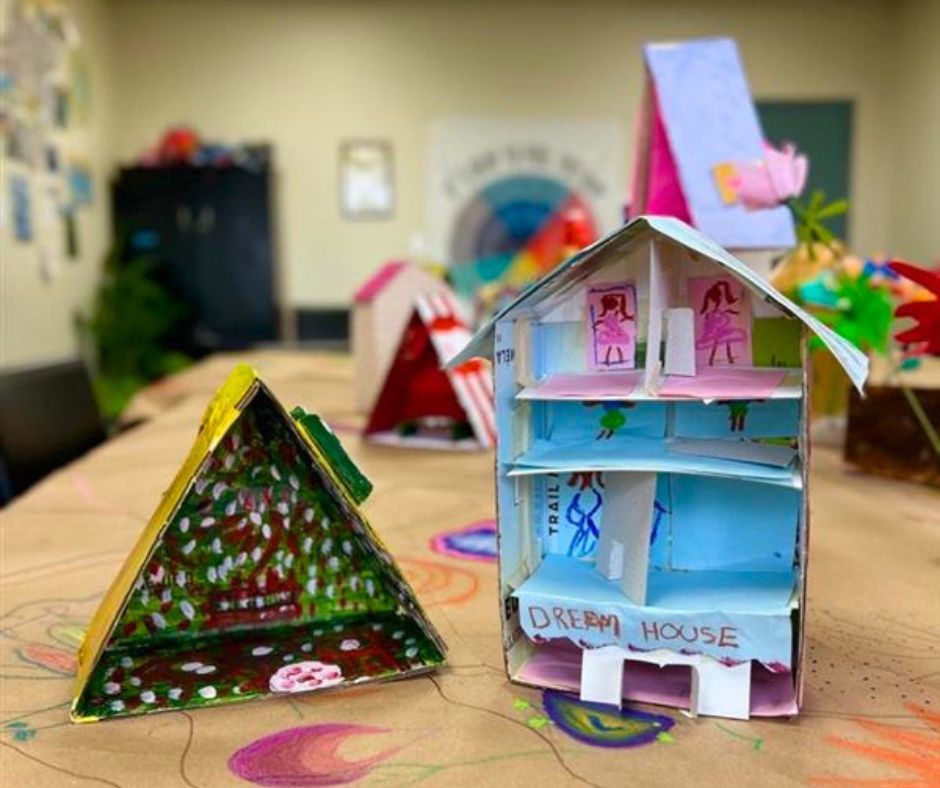
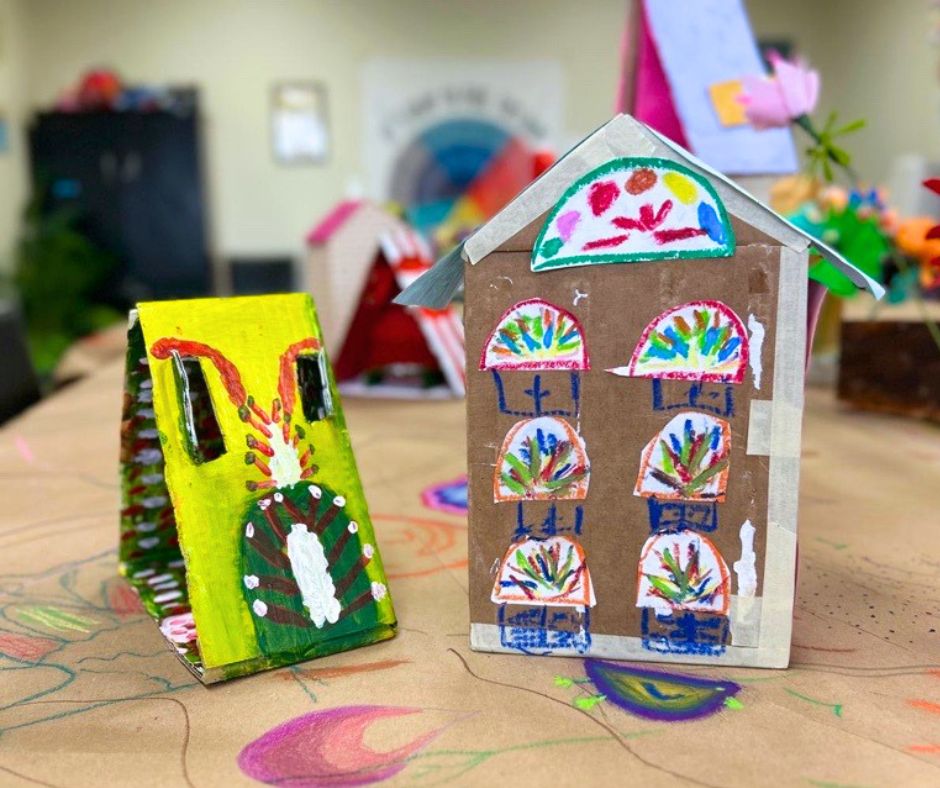
In one art-based program, participants created miniature cardboard houses while reflecting on what home meant to them. Art became a way to express memory, identity, and belonging. One participant painted her house in the colours of the Jamaican flag, while another drew vibrant windows inspired by traditional Yemeni stained glass. As they worked, both imagined filling these spaces with loved ones and shared meals.
This memory emphasized how engaging in the arts sparks cultural conversations, enabling participants to preserve meaningful aspects of their identities and reimagine a sense of home in a new place.
Art as political
Art is also political. It offers newcomers a platform to share experiences, challenge dominant narratives, and raise awareness of issues like discrimination and inequality (Hiebert & Bronwyn, 2020). Through theatre, visual art, and storytelling, marginalized voices can become more visible in public discourse.
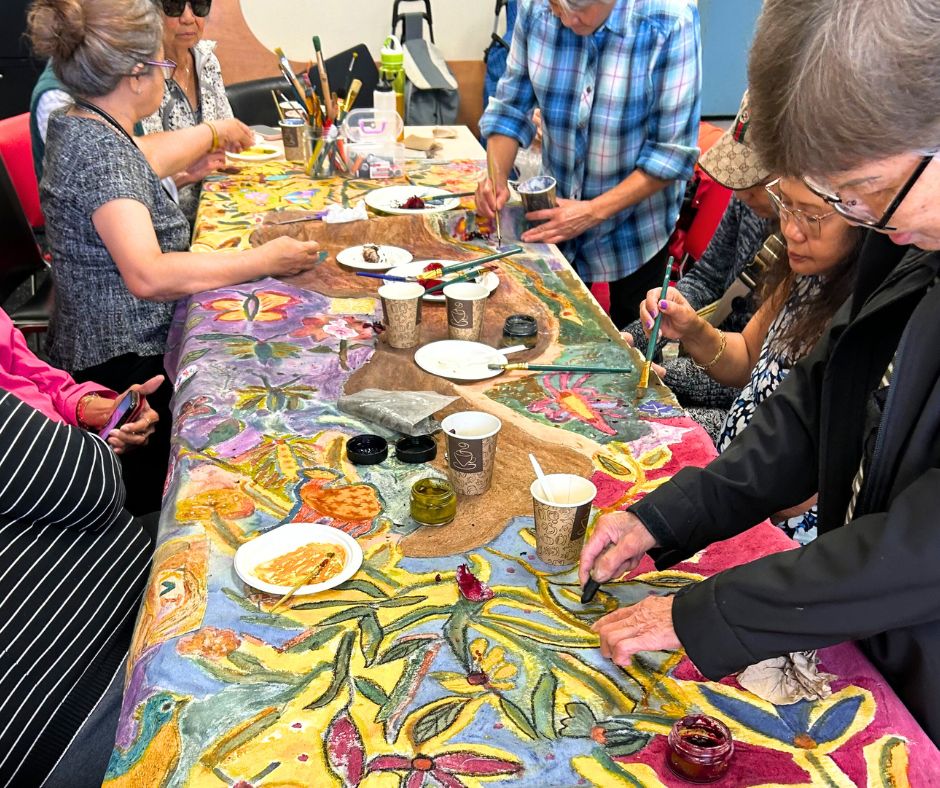
The therapeutic benefits of the arts are especially significant for refugee and newcomer communities, many of whom have experienced trauma. Arts-based approaches provide safe, accessible ways to process difficult experiences (Kalmanowitz & Lloyd, 2016). Unlike traditional talk therapy, they do not rely solely on words; creative expression enables symbolic and non-verbal exploration of emotions, offering a powerful pathway to healing (Malchiodi, 2012).
On another occasion, during a session, the facilitator invited us to reflect on rituals through comic-making. A community member shared her comic depicting date palms and their deep interwoven significance to family, culture, and identity. She described how, when a child is born, a date palm is planted and grows alongside that person. As the tree matures and produces offshoots, they are replanted to propagate new trees, creating a living family of palms. This story was also interwoven with a deep sense of missing family and homeland, reflecting connection, longing, and resilience.
The arts are to be experienced
These are some of the many stories I have collected during this student placement. As I reflect on being a crafter my whole life, I am recognizing that creating with my hands has been a personal coping strategy and a way to regulate my emotions. Supporting the expressive arts programs at Access Alliance demonstrated that creating is not only personally restorative but also a powerful tool for my well-being and for others. Through nonverbal expression, art can reveal emotions, memories, dreams, and fears that are often difficult to express in words. Seeing participants engage in the arts reminds us of how transformative and healing these experiences can be. I continue to participate in art-making, knowing my health and well-being are being cared for while creating something meaningful and beautiful.
While I have cited academic articles and research papers to showcase the value of arts and culture for well-being, the true impact of these practices can only be fully understood through doing and witnessing. How will you make room for creativity in your life? How can you use arts and culture to support your community?
References
Alliance for Healthier Communities (AHC). (2024). Social prescribing – Online course. https://www.allianceon.org/Social-Prescribing-Online-Course
Canadian Institute for Social Prescribing (CISP). (2024). A healthier Canada: An analysis of the potential economic and social impacts of social prescribing. https://irp.cdn-website.com/92bb31b3/files/uploaded/A_Healthier_Canada-An_Analysisof_the_Potential_Economic_and_Social_Impacts_of_Social_Prescribing.pdf
Dadswell, A., & Bungay, H. (2025). Social prescribing of cultural opportunities to support health and wellbeing: The importance of language, community engagement, and inclusion in developing local approaches. BMC Primary Care, 26, 149. https://doi.org/10.1186/s12875-025-02835-9
Fancourt, D., & Finn, S. (2019). What is the evidence on the role of the arts in improving health and well-being? A scoping review (Health Evidence Network synthesis report No. 67). WHO Regional Office for Europe. https://www.ncbi.nlm.nih.gov/books/NBK553773/
Hiebert, D., & Bronwyn, B. (2020). The role of culture and the arts as a framework and tool for settlement. https://www.reseaureussitemontreal.ca/wp-content/uploads/2020/04/TheRoleofCultureandtheArts.pdf
Kalmanowitz, D., & Lloyd, B. (2016). Art therapy at the border: Holding the line of the kite. Journal of Applied Arts and Health, 7(2), 143–158.
Malchiodi, C. A. (2012). Art therapy and health care. Guilford Press.
Mughal, R., Polley, M., Sabey, A., & Chatterjee, H. J. (2022). How arts, heritage and culture can support health and wellbeing through social prescribing. National Academy for Social Prescribing. https://socialprescribingacademy.org.uk/media/5xhnkfwh/how-arts-heritage-and-culture-can-support-health-and-wellbeing-through-social-prescribing.pdf
National Academy for Social Prescribing (NASP). (2022). Social prescribing: Arts, heritage, and culture (evidence briefing). https://socialprescribingacademy.org.uk/media/dxslxrxu/nasp-briefing-arts-culture-heritage.pdf
Touzel, V., Duda, A., Bartz, L., & Reifegerste, D. (2026). Health system lessons from community practice: A qualitative study rethinking the role of social prescribing for refugee populations. Frontiers in Public Health, 13, 1739953. https://doi.org/10.3389/fpubh.2025.1739953