By Christen Kong, Health promoter and HEAL project coordinator
Last week, I learnt that over 2,000 years ago in Ancient Greece, healing was understood as a delicate balance between body and mind. At the sanctuaries of Asclepius, the Greek God of medicine, healing, and physicians, patients did not rely solely on physical treatments. They also engaged in music, poetry, storytelling, and theatre as part of the healing process.
What fascinated me most was learning about Aristotle’s concept of catharsis, the emotional release experienced through drama. In his work Poetics, Aristotle explored how witnessing and enacting emotions through theatre could create a sense of internal balance and emotional cleansing. As Fancourt (2017) explains, drama was believed to help “play out” emotions in ways that restored harmony within the individual. Later research has shown that Aristotle’s theory of catharsis went on to influence several psychotherapy models used to support mental health and emotional healing (Fancourt, 2017).
So why am I sharing about Ancient Greece?
It reminds us that the connection between the arts and wellbeing is not a modern trend, it is deeply rooted in human history. Long before clinical studies and healthcare frameworks, societies recognized that creativity, expression, and storytelling could support healing in profound ways. Today, as conversations around mental health, holistic care, and wellbeing continue to evolve, it is interesting to see how many contemporary approaches echo ideas that existed thousands of years ago.
Did you know? Early 2026, Greece made history by formally institutionalizing “arts on prescription” into its public healthcare system. What does this mean?
Greece made big strides in connecting arts and wellbeing through a landmark healthcare initiative. A Joint Ministerial Decision now allows psychiatrists and child psychiatrists within the National Health System to prescribe artistic and cultural activities, including theatre, music, cinema, and museum visits, as part of mental health treatment.
Introduced through the “Greece 2.0” resilience strategy and led by the Ministry of Culture and Ministry of Health, the initiative was supported by findings from Europe’s largest randomised controlled study on arts prescription. Led by the National and Kapodistrian University of Athens, the study found that 12-week arts programs significantly reduced depression, anxiety, and loneliness.
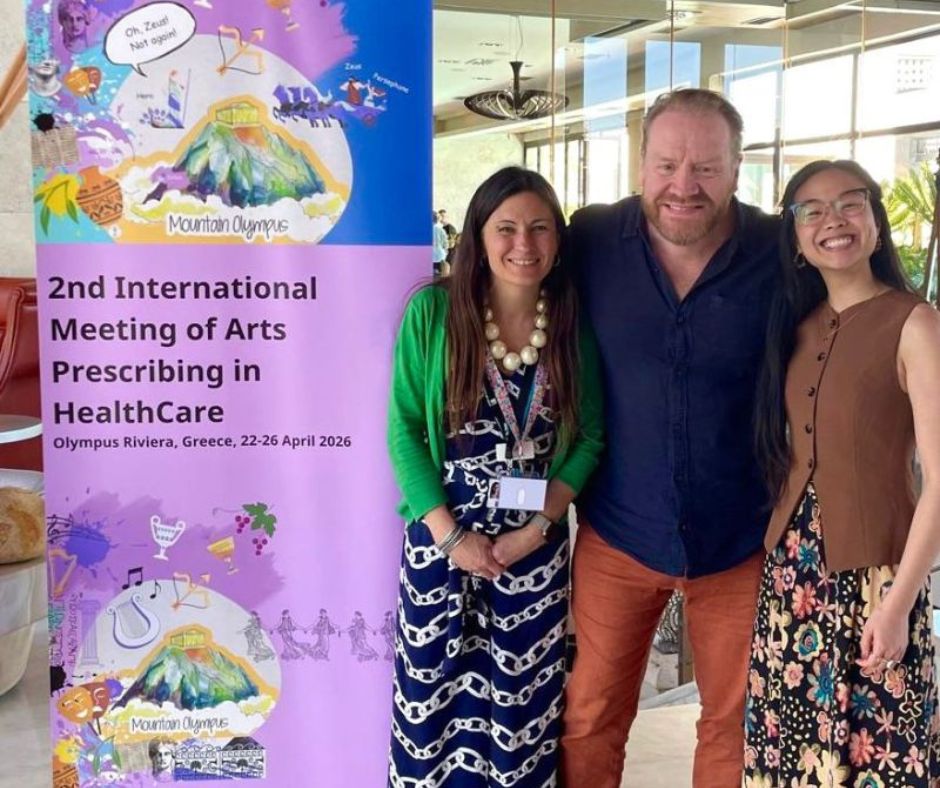
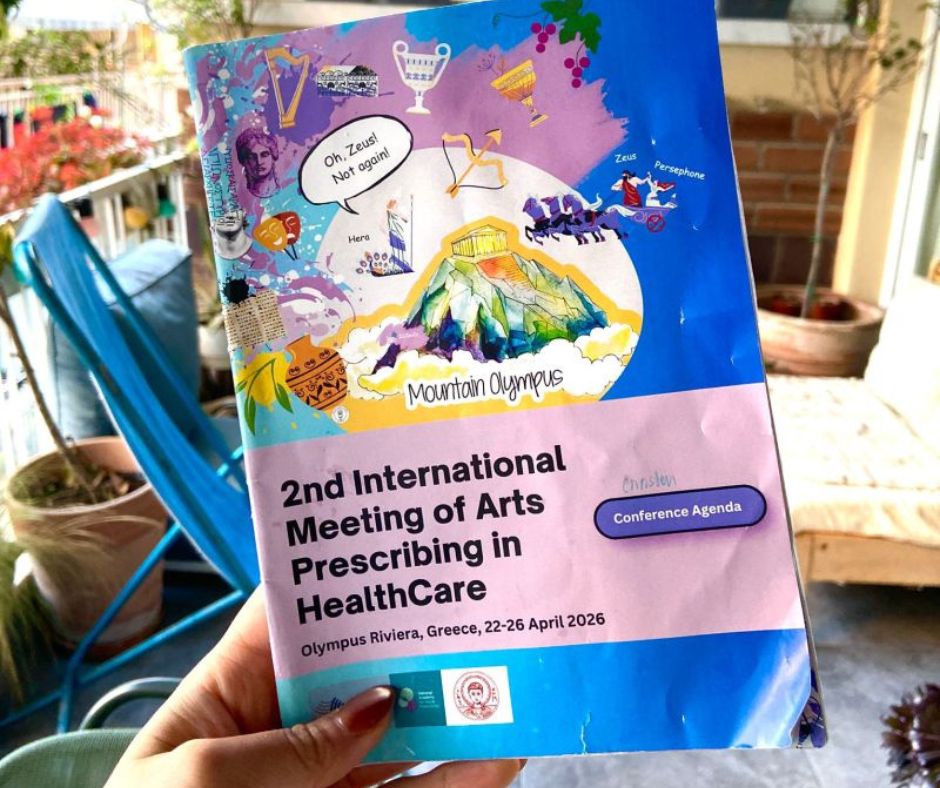
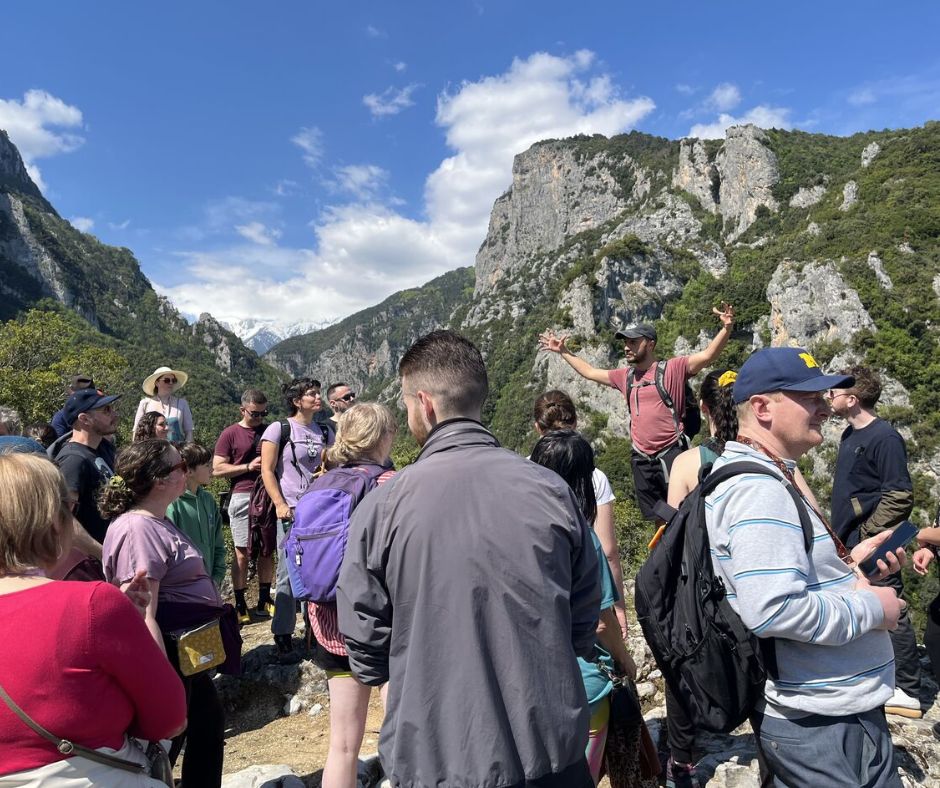
Fast forward to April 2026, the 2nd International Meeting on “Social and Arts Prescribing in Health Care” took place in Thessaloniki, Greece, bringing together global researchers, practitioners, policymakers, and creatives to explore the evolving role of arts prescribing in healthcare. At the foothills of Mount Olympus, over 70 global practitioners from 15 countries gathered to share lived experiences, research evidence, and thoughtful methodologies on prescribing arts and culture for health and wellbeing around the world.
Thoughtfully organised by Peggy Kioutsouki, Efharis Panagopoulou, Dr. Vicky Spatoula, and their team. The conference created space for research sharing, verbatim theatre, movement-based workshops, reflective walks, and moments of silence, reminding us that conferences, too, can embody care and connection.
Symposium on evidence and experience: measuring impact in creative health interventions. How do we honour both scientific evidence and lived, embodied, creative experience within healthcare research?
I am beyond grateful to contribute insights on measuring impact in creative health interventions alongside Paige Davis (Professor at Psychology Department, University of Leeds) and Rob Dean (Associate Professor of Interdisciplinary Arts & Health Deputy Head of the School of Creative Arts).
We presented on the growing demand for measurable “results” within arts-based health interventions. While healthcare systems often prioritize quantifiable outcomes, many practitioners reflected on the difficulty of measuring experiences such as creativity, connection, emotional transformation, and belonging.
Discussions explored a range of research and data-gathering approaches, comparing traditional evaluation models with more holistic and context-sensitive methods that attempt to capture the often “invisible” effects of arts participation. Participants also reflected on ripple impacts that may emerge over time shifts in confidence, relationships, identity, or long-term life trajectories that are not always immediately visible through standard metrics.
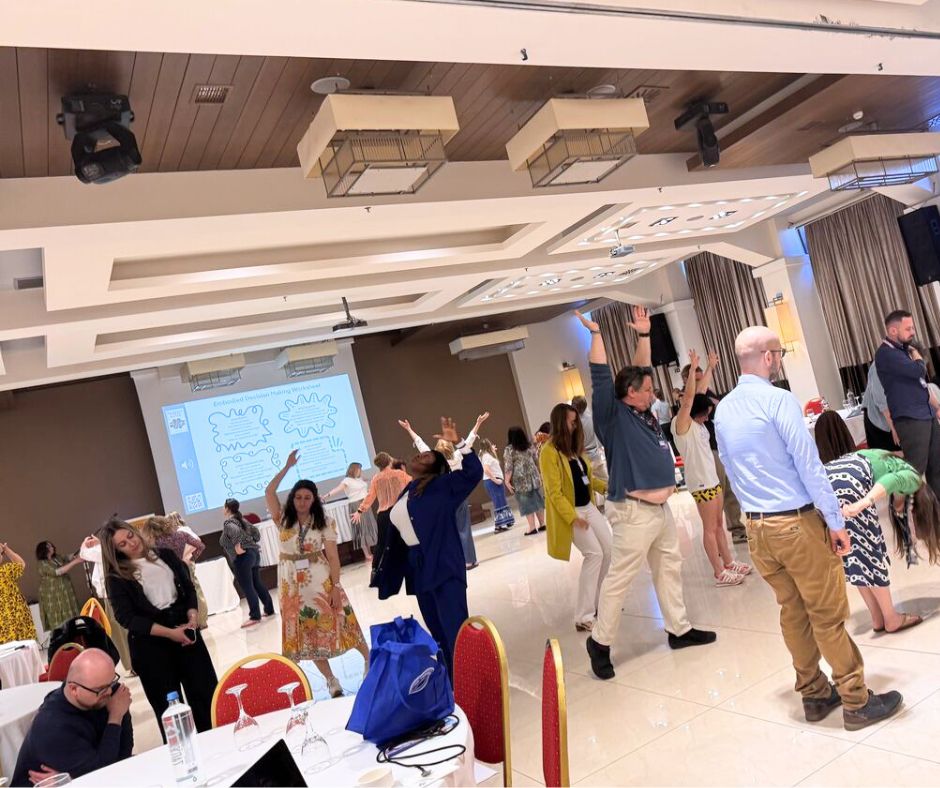
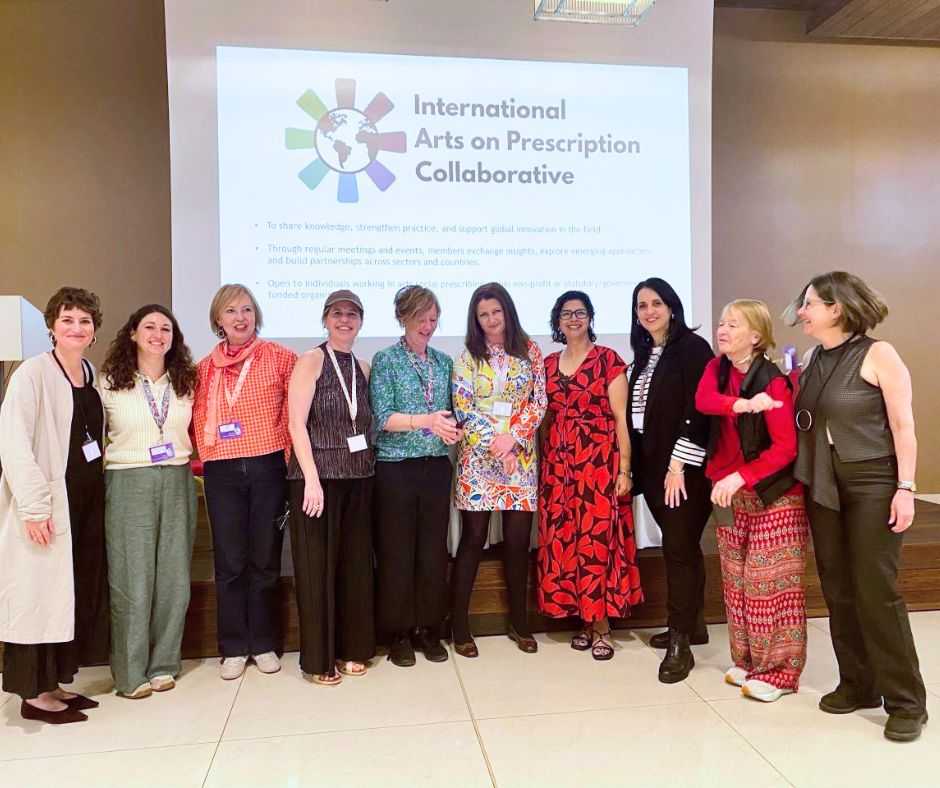
I also had the opportunity to hear expansive country-wide examples of arts prescribing through the National Academy for Social Prescribing expert and international delegates panel, as part of the International Arts on Prescription Collaborative emerging from the Jameel Arts & Health Lab. Arts in health researchers representing from around the world including EpiArts Lab, One Nationa/One Project, Arts4Us, Baltic Arts on Prescription programme, Rural health equity (RHE) and much more (conference agenda).
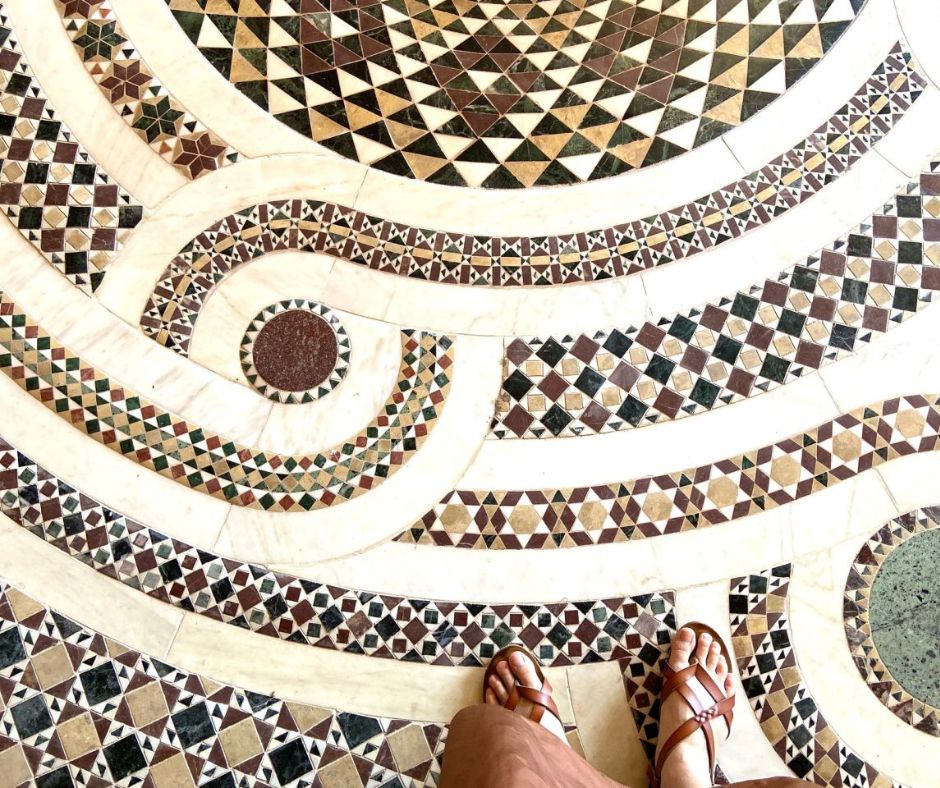
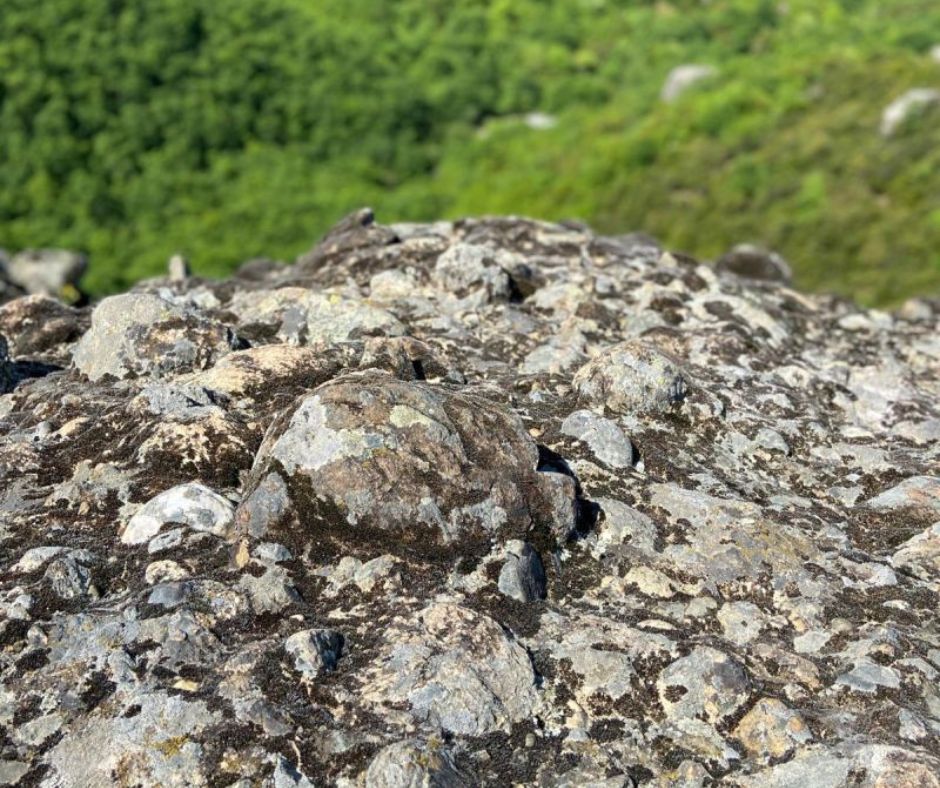
As I continued to explore Thessaloniki, I noticed recurring patterns in flora and fauna, intricate monastery tiles, and geological rock formations quiet reminders of how deeply beauty is woven into human experience and wellbeing. In many ways, the growing infrastructure connecting arts, culture, and healthcare through arts prescribing felt like an extension of this same pattern: a recognition that creativity, environment, meaning, and connection all play a role in how we care for ourselves and one another.
Reference
Fancourt, D. (2017). Arts in health: Designing and researching interventions. Oxford University Press.