By Christen Kong
The sound of collective humming echoing through the hallways of St. Marta’s Campus in Berlin, Germany became my guiding compass, leading me to the opening conference session on June 18, 2026. Following the voices, I stepped into a large circle of people from around the world artists, healthcare professionals, researchers, scientists, and many whose work bridged all of these worlds.
Within moments, I found myself slipping off my shoes, feeling the cool concrete beneath my feet, and joining in a shared improvisation. Each gesture became a response to the one before it, passed around the circle as each person added something uniquely their own. The movement continually transformed, shaped by different bodies, cultures, and ways of knowing.
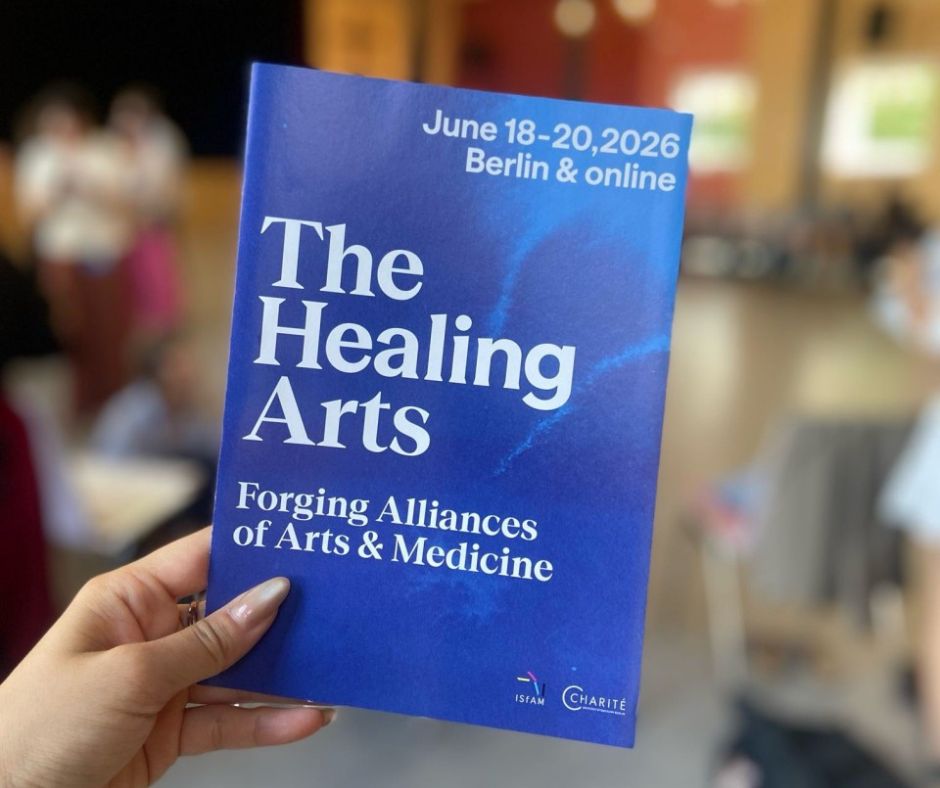
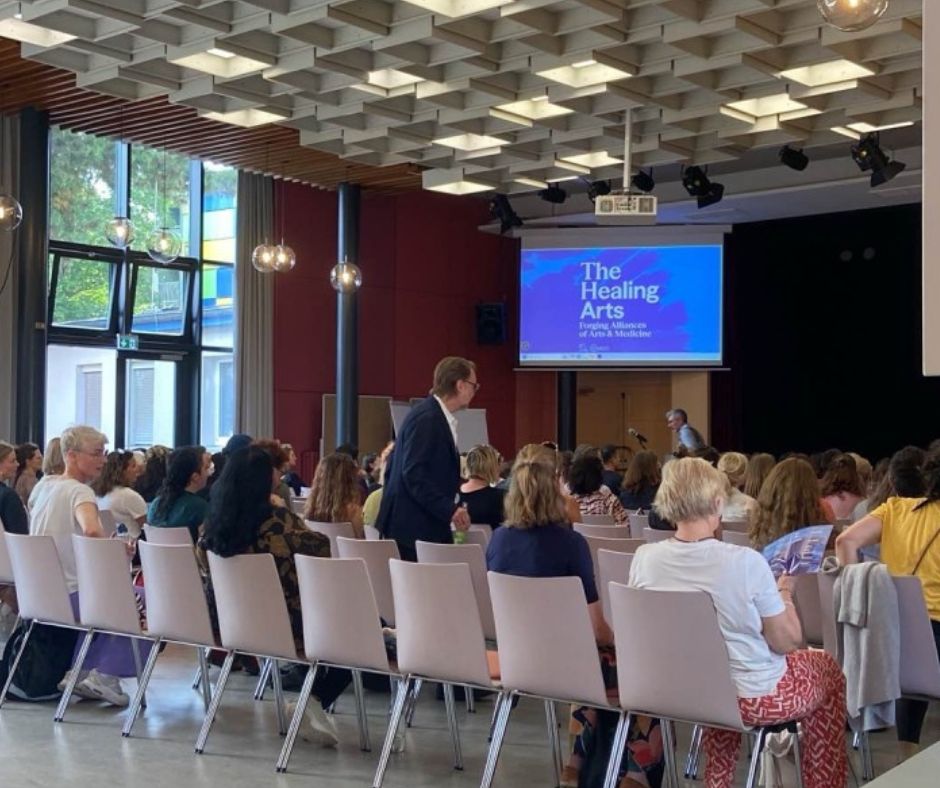
This gathering was hosted by the International Society for Arts & Medicine (ISfAM) Congress called “The Healing Arts – Forging Alliances of Arts & Medicine.” The congress provided a vibrant international platform for The convening of two rivers, healthcare and the arts, to converge and be supportive elements in how we understand healing across contexts.
What made this congress particularly meaningful was its commitment to interdisciplinary dialogue. Conversations centered on how these fields work together to create more compassionate, innovative, and equitable systems of care. A few initiatives featured included:
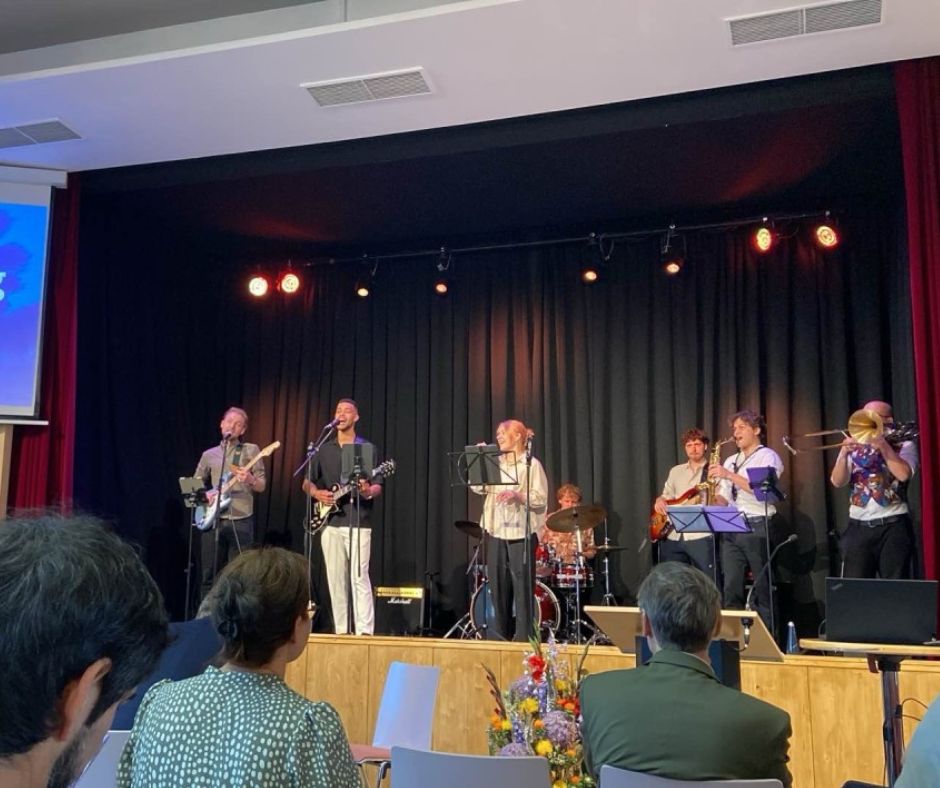
Looking to the future, the congress emphasized not only research and practice, but also the long-term sustainability of arts in health. Artificial intelligence, neuroscience, digital arts, and new evaluation methodologies were woven throughout the program, alongside discussions about building lasting partnerships, influencing policy, and strengthening the evidence base for the field.
The congress also created space for learning beyond traditional presentations. A pre-conference day featured art therapy workshops, arts in medical settings, immersive healing experiences, and interactive sessions that invited participants to learn through participation and reflection. Artist-scientist collaborations and a dedicated artistic retreat space further demonstrated the congress’s commitment to integrating creativity throughout the event.
Accessibility remained a central priority. By offering both in-person and online participation, live AI-supported translation, and the publication of abstracts and plenary lectures, the congress welcomed a truly global community and encouraged knowledge exchange beyond language and geographic barriers. More than a conference, ISfAM 2026 demonstrated the continued evolution of the arts and health field.
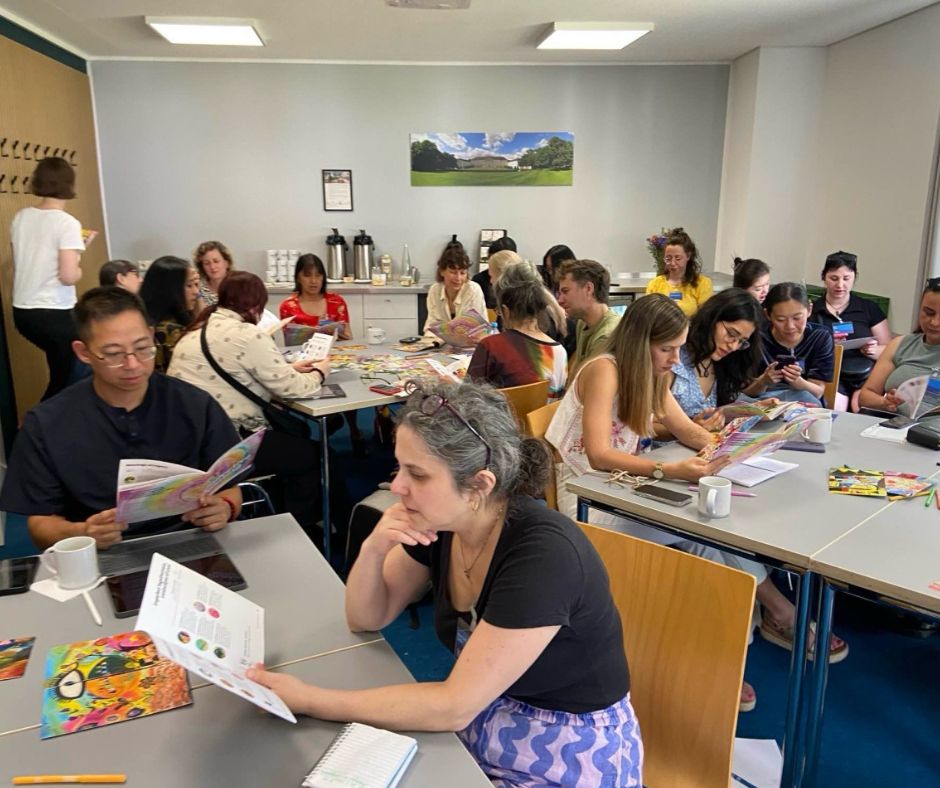
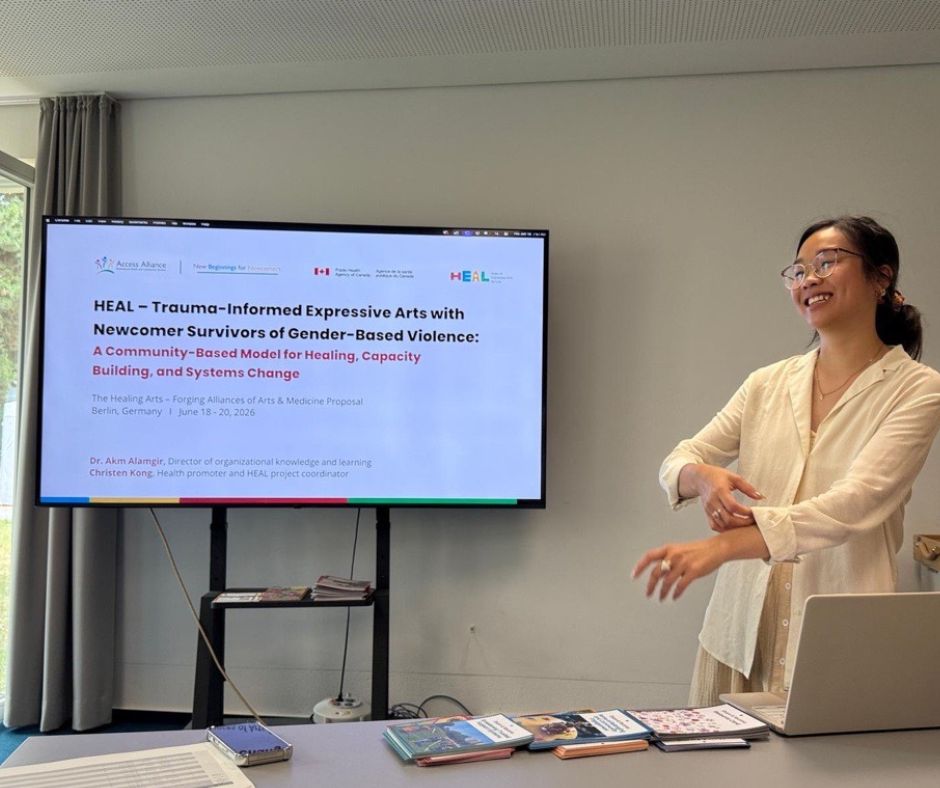
This workshop invited participants into an experiential expressive arts process that brought the project’s findings to life through creative engagement rather than presentation alone. Drawing on a mixed-methods research approach, the project explored how community-based, trauma- and violence-informed expressive arts interventions can support healing and improve health outcomes for newcomer communities, while also highlighting implications for organizations and policy.
The research began with a literature review and environmental scan to identify existing implementation models and trauma- and violence-informed facilitation practices. These frameworks were then refined through expert consultations and co-design with researchers, survivors, academics, practitioners, and service providers. Using an outcome harvesting approach alongside thematic analysis of qualitative and quantitative data, the project captured the complex and often unexpected impacts of expressive arts interventions across diverse community settings.
Participants engaged in close observation of the twelve HEAL paintings by activiting their senses and sharing with one another. As I continue to lean into my observation skills by noticing, feeling, and observing, I am awed by the immensely rich gathering of evidence on how art not only improves our human state, but changes the realities before us.
Learn more https://isfam.de/events/https-event-fourwaves-com-healingarts-congress-schedule