By Christen Kong, Health promoter & HEAL project coordinator
What happens when newcomer researchers become leaders in the very research shaping newcomer wellbeing?
In 2017, Access Alliance launched the Immigrant Researchers Support Network (IRSN) to help internationally educated researchers build Canadian experience, professional networks, and confidence as they continue their careers in Canada. Through mentorship, training, peer support, and employment connections, IRSN supports unemployed and underemployed newcomer researchers and evaluators while centering newcomer leadership and lived experience.
Fast-forward a few years, and IRSN members are making a meaningful impact at Access Alliance. Through funding from the Public Health Agency of Canada, the Hubs of Expressive Arts for Life (HEAL) Project explored how expressive arts programs can support newcomer women’s mental health and wellbeing. Recognizing the value of lived experience and newcomer leadership, IRSN members were contract hired to support and lead the project’s research and evaluation activities.
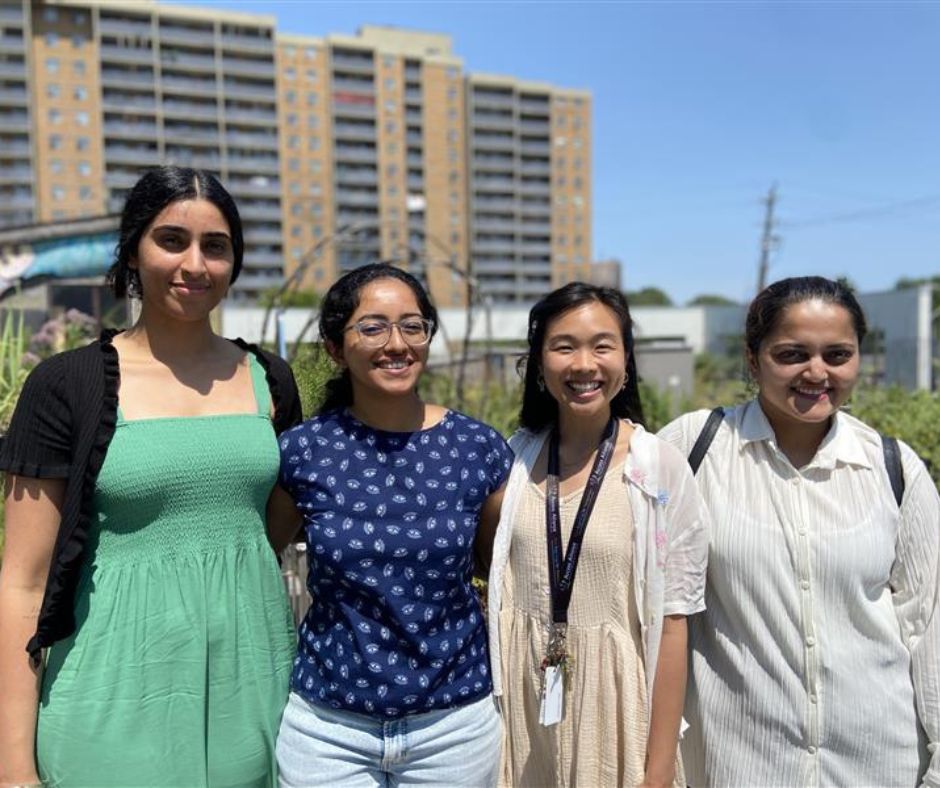
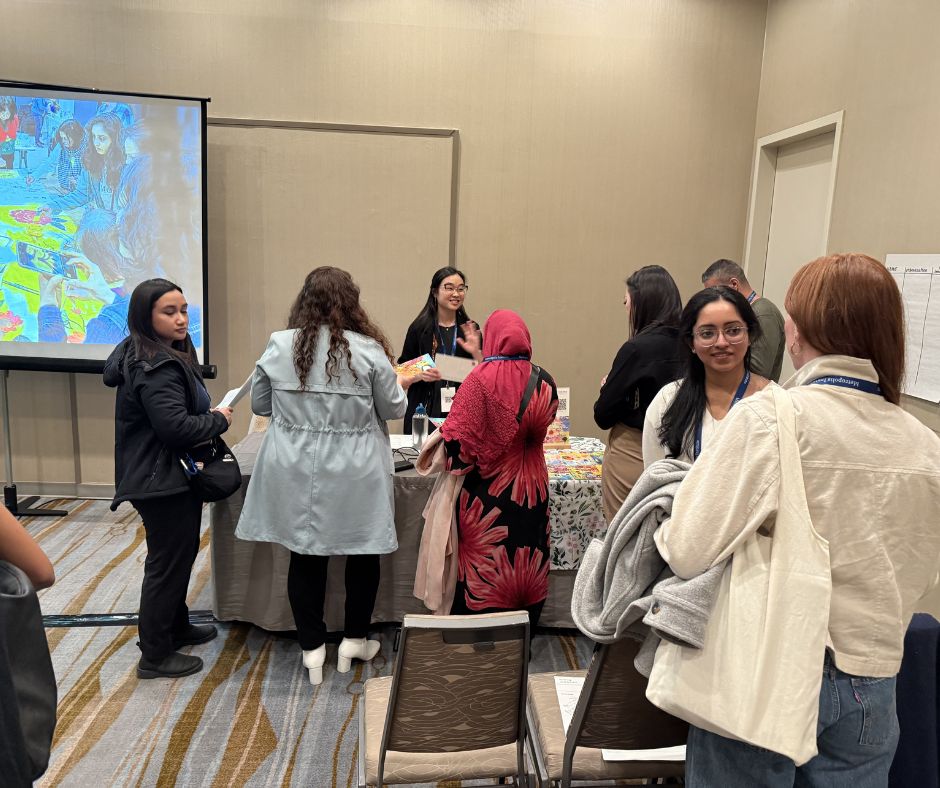
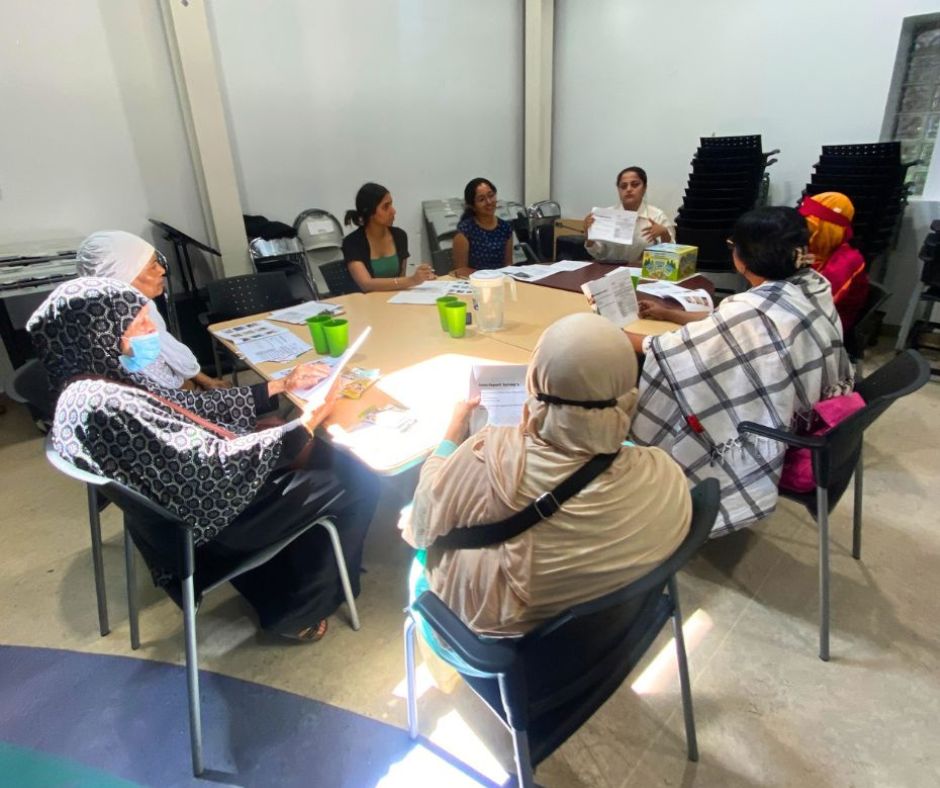
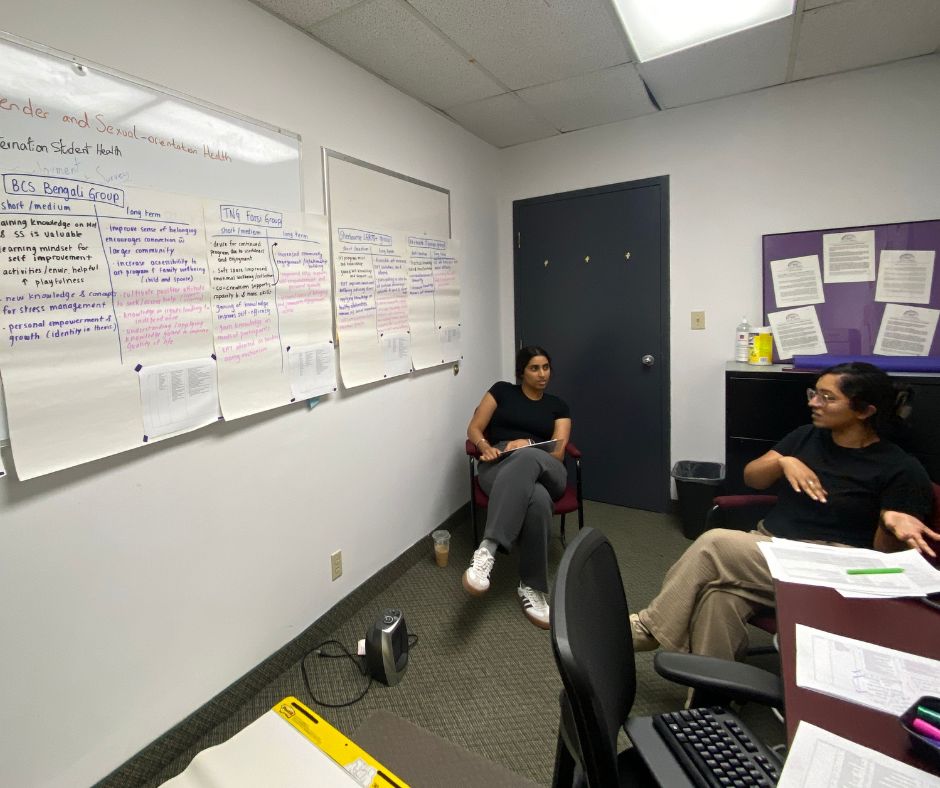
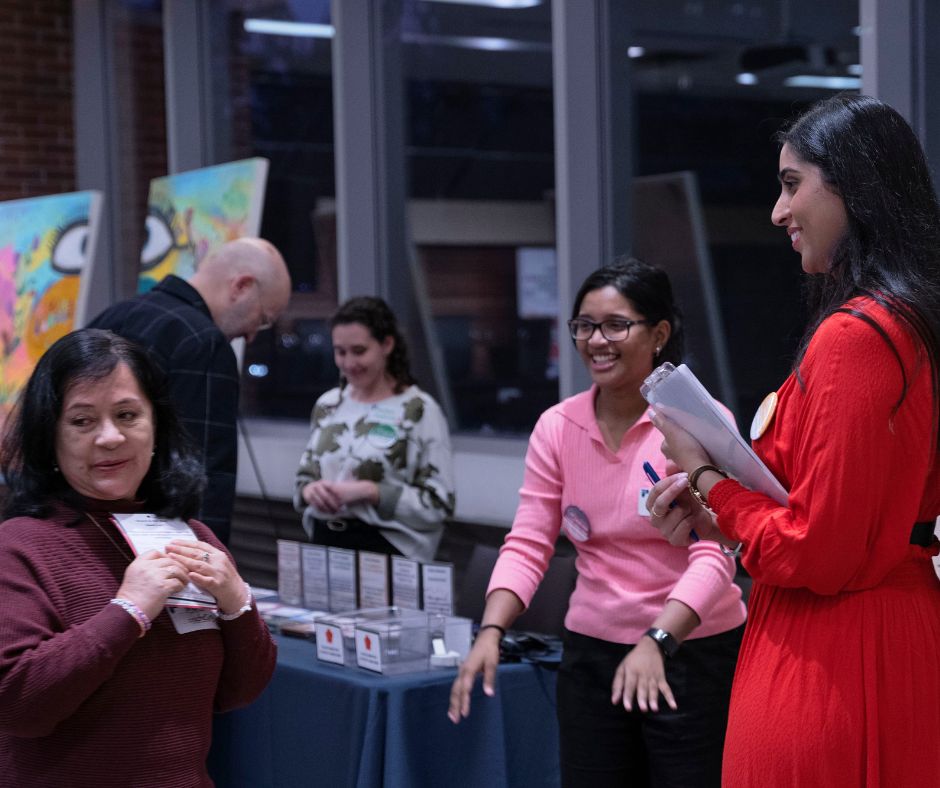
Four IRSN Fellows: Oeishi Farquzzaman (Year 1), Shangjucta Das Pooja (Year 2), Shruthi Anna Thomas (Year 3), and Jasmine Sidhu (Year 4), played key roles in implementing evaluation tools, collecting and analyzing data, conducting validation meetings, and attending program sessions alongside participants and facilitators. Their work extended beyond research coordination; it involved building relationships, witnessing community healing, and helping shape culturally responsive approaches to wellbeing.
This article brings together their reflections on research, creativity, community engagement, and the importance of newcomer-led approaches to health and wellbeing.
Why is the project important to you and/or newcomer communities?
What were the personal and professional learnings from your fellowship experience?
What is a takeaway from this project that will stick with you?
Expanding knowledge through HEAL
While the HEAL Fellows came into the project with strong research experience, much of their understanding of arts-based practice was learned through the process itself. Over time, many began to see how the arts could deepen connection, empathy, and community engagement in ways traditional research approaches often cannot. Pooja reflected that engaging in the arts helped her “bring more empathy and creativity into my work with children and newcomer families, focusing on listening first and building connection.” Through the project, the arts became a way to humanize research and mental health resources by grounding them in lived experience, emotion, and creativity.
For some Fellows, this learning also extended into their personal lives. Thomas shared, “I now intentionally engage with the arts and cultural life of the cities I live in. Participating in community and artistic events whether attending festivals or observing public art has become a conscious practice.” These experiences demonstrate how arts engagement not only shaped their professional approaches, but also influenced how they connect with community, wellbeing, and everyday life.
Gratitude to the dedication and heart the HEAL fellows have invested to help contribute to the growing evidence of art-based practice for healing and sustaining more healthier communities.