Year 1: Adaptation & intervention planning
- Increased Visibility and Momentum: Public funding announcements and sector-wide attention raised the profile of the HEAL Project and built momentum for future growth.
- Strengthened Partnerships: New collaborations were formed across settlement, mental health, violence-against-women sectors, and with expressive arts therapists.
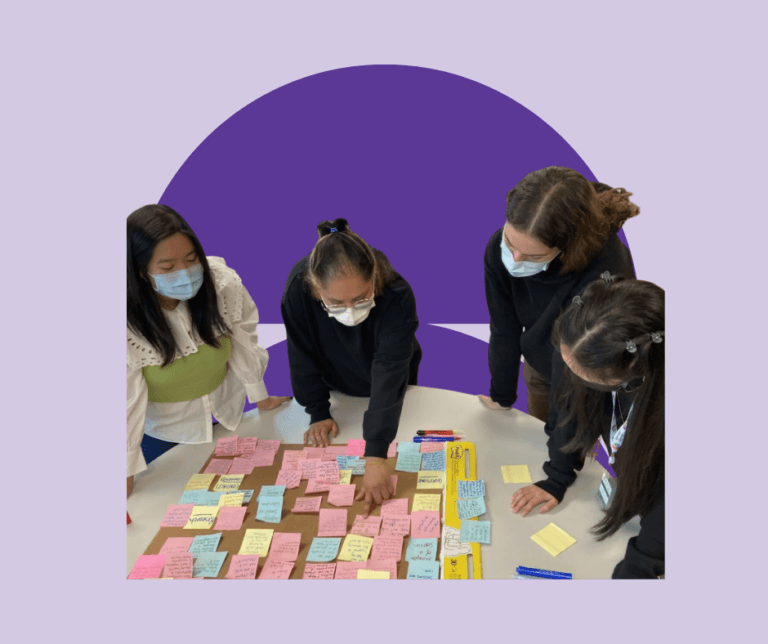
- Expanded Community Engagement: Community involvement grew through student contributions and a co-creation session that supported participatory planning and shared ownership.
Year 2: Implementation & data collection
-
Reflective and Adaptive Implementation: Program implementation and data collection emphasized ongoing learning, celebration, and responsiveness to emerging insights.
-
Participant-Guided Design: Phase I was launched with participant voices shaping program decisions, ensuring the approach remained grounded in lived experience.
-
Expanded Reach and Readiness for Phase II: Partnerships, knowledge exchange, and a social media campaign increased visibility, setting the stage for Phase II implementation with additional partner organizations.
Year 3: Implementation & data analysis
-
Strong Partner Collaboration: HEAL partnerships played a key role in centering participant voices throughout each phase of the project.
-
Successful Implementation and Knowledge Building: Phase II was completed, participant leadership was strengthened, and data analysis began, including the publication of the first research article.
-
Looking Ahead to Phase III: The project will continue to deepen co-creation and expand arts integration across settlement, healthcare, and gender-based domestic violence sectors.
Year 4: Knowledge mobilization & capacity building
-
Expanded Professional Development and Capacity Building: The creation of professional development and capacity-building hubs broadened the project’s reach and overall impact.
-
Strengthened Cross-Sector Collaboration: Training and knowledge-sharing activities enhanced collaboration across settlement, healthcare, and community sectors.
-
Sustained Impact and Future Growth: A culminating celebration event, the launch of a digital art hub, and continued advocacy for artists as part of interprofessional teams created momentum for deeper arts integration within settlement and healthcare services.