GETTING COMFORTABLE: Open group
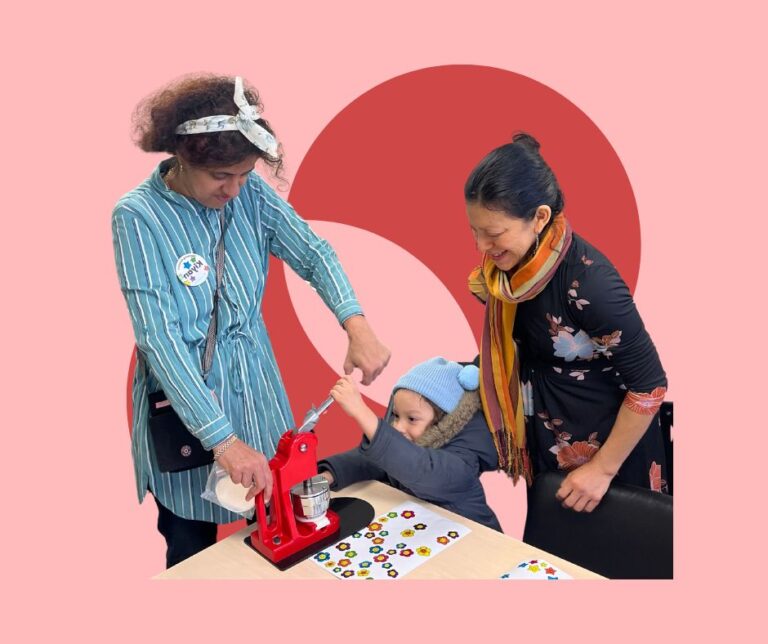
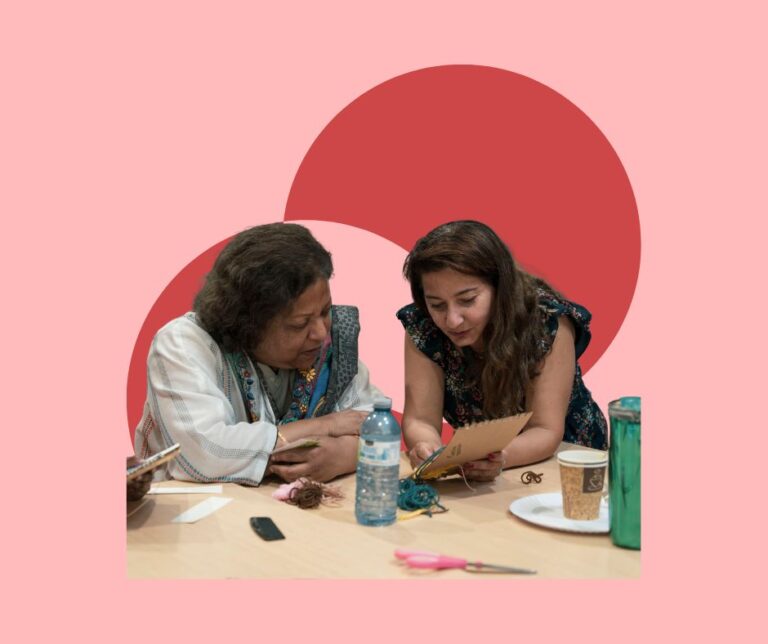
Participants engage in art-making for wellness activities alongside micro-learning on health care, settlement, and mental health topics. The program is offered in an open, drop-in format for newcomer families, using low-barrier art activities to build trust, foster a sense of belonging, and strengthen connections to the community health centre.
Example programs: Nesting Ground weekly community arts, waiting room art pop-ups, guest speaking in existing programs, and arts and culture socials.
KNOWING MORE: Closed group
Participants take part in focused mental health learning sessions that use tailored, arts-based activities to support deeper understanding and reflection. These sessions combine creative expression with guided discussion, helping participants build practical knowledge, emotional awareness, and coping skills in an accessible and engaging way.
Example programs: Newcomer well-being series consisting topics such as mind and body connection, self compassion, self care, values, boundaries, grief and loss, and anxiety etc.
DIVING DEEPER 1:1 Support & lead
Participants are supported to connect with appropriate service providers when they are ready and have the capacity to do so. This approach promotes sustained improvements in wellness and mental health by encouraging timely, individualized support and strengthening long-term connections to care and community resources.
Example referrals: Connect to a health coach or navigator, social worker, counsellor, specialized services for at risk or current experiencing gender base domestic violence. In addition to enhance sustainability, community members can become art assistant volunteers. These are trained and onboarded individuals to support expressive arts programs.