By George Fazaa, MA candidate in clinical & counselling psychology
A woman calls a crisis line after experiencing violence at home. She hesitates before giving her name. Not because she does not trust the counsellor, but because she does not know what will happen if her immigration status is exposed. This is the reality for many newcomer survivors of gender-based violence (GBV) in Canada.
However, the policies meant to protect them rarely account for it. In a study of survivors of GBV in the Greater Toronto Area, 88% of participants were identified as newcomers or immigrants (Access Alliance, 2022). That figure alone should prompt a reckoning. Canada is a country that prides itself on being a destination for those seeking safety. However, the systems designed to protect survivors of GBV have largely been built without newcomer communities in mind.
A comprehensive policy scan conducted by Access Alliance Multicultural Health and Community Services (2024), covering Canadian GBV and mental health policies from 2010 to 2023, confirms that the majority of policies in this space either do not mention newcomers at all or acknowledge them only in passing.
A growing population, yet the gap persists
Canada’s newcomer population is significant and growing. Morency et al.’s (2017) report for Statistics Canada projects that immigrants could represent between 24% and 30% of Canada’s total population by 2036. Nearly one in four women and girls in Canada today are current or former newcomers (Statistics Canada, 2023). This demographic reality makes the exclusion of newcomer perspectives from GBV policy a profound systemic failure.
The barriers newcomer women face when experiencing GBV are compounding and distinct when compared to the remainder of the population. They include language barriers and a lack of culturally appropriate services; unresolved pre-migration trauma; discrimination, sexism, and racism within service systems; financial dependency; social isolation from family networks; and fear of deportation (Thomson et al., 2015; Canadian Council for Refugees, 2024). Many abusers exploit immigration status directly, threatening women with deportation or withholding information about their legal rights as a form of control (Canadian Council for Refugees, n.d.). Non-status women are particularly vulnerable, as not having legal recognition could make calling the police feel like trading one danger for another.
Despite these documented realities, the Access Alliance (2024) policy scan found that most GBV and mental health policies across federal, provincial, and municipal levels either omit newcomers entirely or include only a token acknowledgment. The Centre for Addiction and Mental Health’s (2016) Mental Health and Primary Care Policy Framework, for example, mentions newcomers once, in a brief reference to social determinants of health. The Province of Ontario’s (2019) Roadmap to Wellness, a flagship provincial mental health strategy, contains no mention of newcomers, immigrants, or refugees at all.

Progress worth acknowledging
That said, the last decade has not been without meaningful advances, and it is important to acknowledge them. Canada’s National Action Plan to End GBV (Ending Violence Association of Canada, 2021) represents the most substantial federal commitment to date, with over $1.3 billion invested between 2023 and 2025 (Women and Gender Equality Canada [WAGE], 2024). The plan explicitly names immigrant and refugee women as a priority population, and in 2024 to 2025 alone, more than one million people across Canada were able to access GBV support, including counselling, legal information, crisis services, and housing (WAGE, 2024). The plan has also supported newcomer-focused initiatives within the settlement sector, including frontline GBV training and cross-sector collaboration.
At the provincial level, the Ontario Council of Agencies Serving Immigrants (OCASI) stands out as a model of integration. Its Initiative to End GBV, which completed its initial five-year mandate in 2024, centred immigrant, refugee, and non-status women throughout its design and delivery, offering a six-module practitioner training course and coordinating awareness campaigns across Ontario (OCASI, 2024a). At the municipal level, Toronto’s Sanctuary City Policy remains an important structural protection for undocumented survivors seeking support (City of Toronto, 2017).
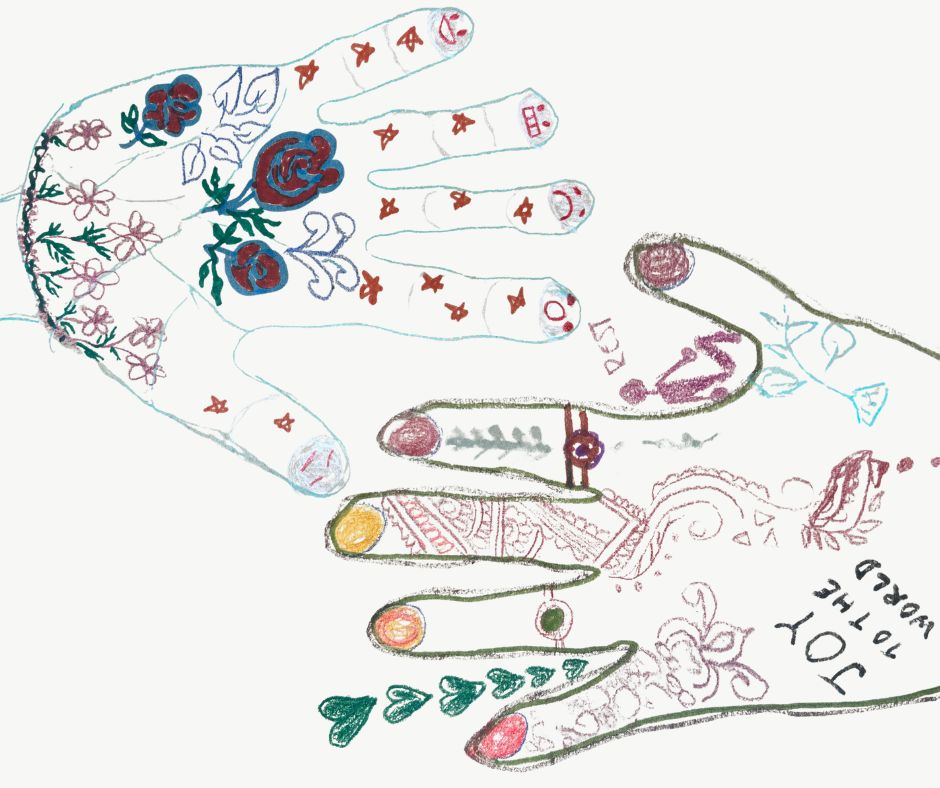
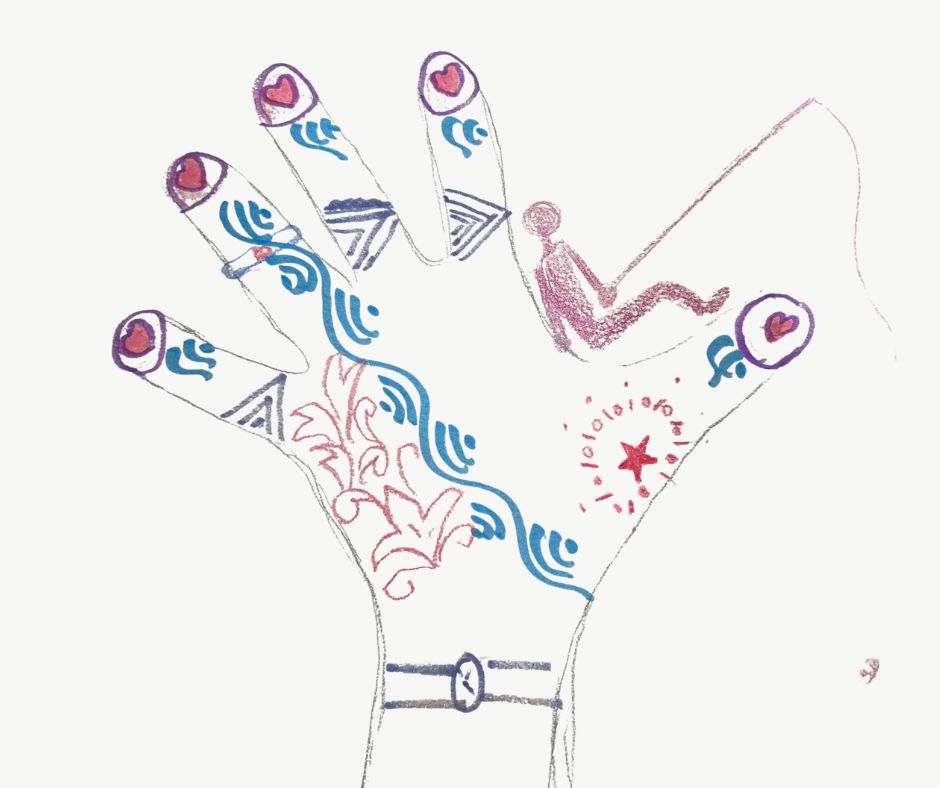
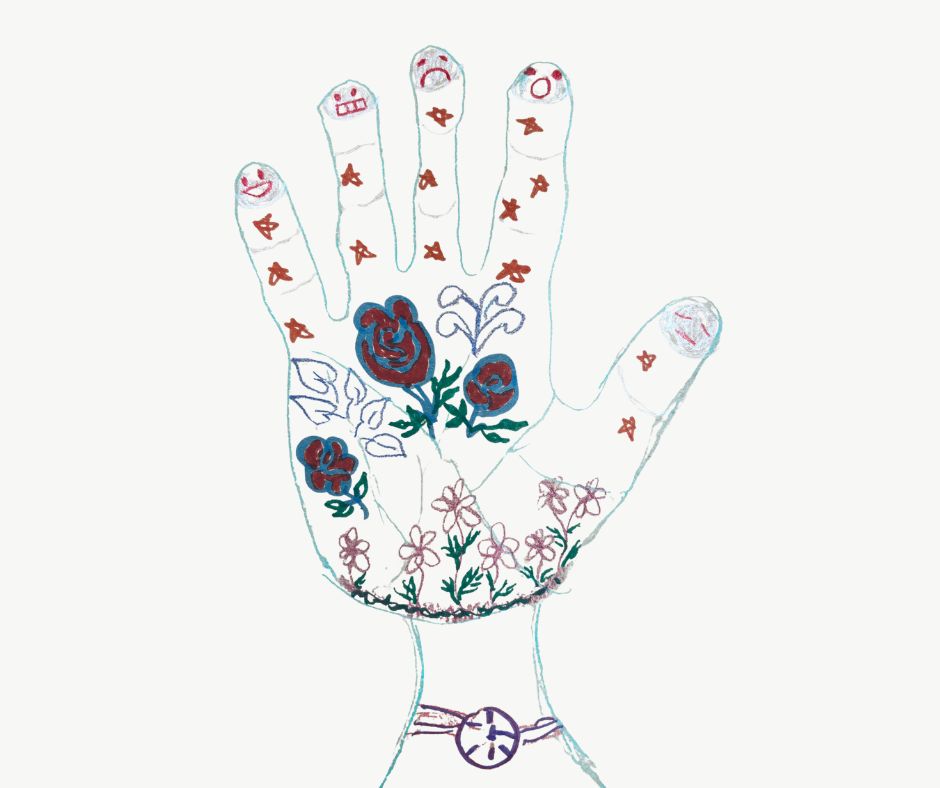
Access Alliance’s Hubs of expressive arts for life (HEAL) project funded by the Public Health Agency of Canada (PHAC) from 2022 to 2026, exemplifies what targeted, community-embedded programming looks like in practice. Delivered across six newcomer communities, including Arabic-, Bengali-, Farsi-, and Tigrinya- speakers, the project used expressive arts to support survivors of GBV in healing and building resilience (Access Alliance, 2022). This is the kind of community-based work that helps survivors access support in ways that feel safe, relevant, and culturally responsive.
What is still lagging behind
Despite these developments, the structural gap identified in the Access Alliance (2024) policy scan remains. Across GBV and mental health policy, newcomers are often absent from policy language or included only as part of a broad list of “vulnerable populations,” without corresponding funding, accountability, or targeted action.
Although the Mental Health Commission of Canada’s (2012) Changing Directions, Changing Lives strategy identified immigrants and refugees as a priority group and called for mental health promotion within settlement services, newcomer perspectives remain largely absent from mainstream federal and provincial mental health policies more than a decade later.
This reflects what researchers describe as the “healthy immigrant effect” in reverse: newcomers often arrive with resilience, but over time encounter systems that fail to support their mental health needs (Ng & Zhang, 2020). After approximately seven years in Canada, newcomers’ initial mental health advantage tends to decline, yet policies have not adequately responded to this shift (Mental Health Commission of Canada, 2016).
The consequences are increasingly visible across the sector. OCASI’s 2024 Knowledge Exchange Report found that service providers across Ontario are experiencing high burnout, limited organizational support, and staff turnover as under-resourced organizations continue absorbing gaps left unaddressed by policy (OCASI, 2024b).
At the same time, immigration, housing, legal aid, and GBV systems continue to operate in silos, creating overwhelming barriers for newcomer survivors navigating multiple systems with conflicting requirements (GBV Learning Network, Western University, 2024). While coordinated referral pathways and cross-sector collaboration are widely recommended, these approaches have yet to be implemented consistently or sustainably.
What needs to happen
The Access Alliance (2024) policy scan puts forward three priority areas for action:
Canada’s commitment to ending GBV is real. The National Action Plan signals genuine political will. However, political will alone does not protect a non-status woman who fears being deported if she calls the police. It does not help a refugee survivor navigate a mental health system that was not designed with their lived experience in mind. It does not fill the gap left when a provincial mental health strategy makes no mention of newcomers.
Bridging that gap requires the intentional, sustained, and adequately funded work of community organizations that have the relationships, the cultural competency, and the frontline knowledge to serve newcomer communities effectively. Continued investment in this work, through funders like PHAC and IRCC and through federal and provincial policy commitments, is not a supplement to Canada’s GBV response. A GBV response system that cannot safely and meaningfully reach newcomer survivors is not fully responsive at all. It is the response.