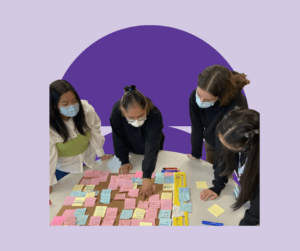
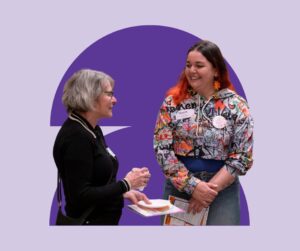
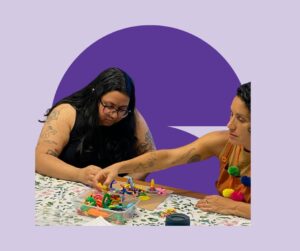
These co-design reports capture the collaborative activities, expert insights, and community-informed processes that shaped the development of the HEAL 12-session expressive arts program.
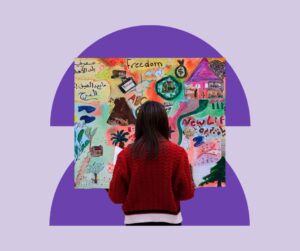
Two gallery booklets showcase 12 collective paintings created through the HEAL Project. Each booklet features images and descriptions to learn more about participants journeys through the HEAL Program.
The post-program resources and tools are designed to assess the long-term impact of the HEAL Program and support sustained engagement with expressive arts.
The planning tools offer a strategic framework, mapping program inputs, activities, and outputs while showing how expressive arts interventions support newcomer women who have experienced domestic violence.
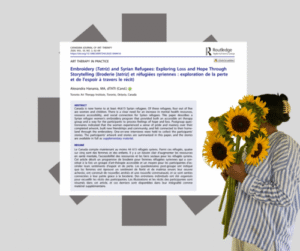
This paper examines an art therapy embroidery program for Syrian refugee women in Toronto. Using tatriz, the group offered a culturally familiar way for participants to explore feelings of loss, hope, and identity.