HEAL Resources

Evaluating arts-based programs

Evaluation is crucial to understanding the efficacy of an intervention. The HEAL Project adopted many mixed method evaluation approaches to measure the change in behaviours, knowledge, and attitudes of participants who completed the program. The evaluation methods focused on relationship-centered and trauma-informed approach that prioritizes dignity, choice, emotional safety, and cultural meaning. Read more about the different ways the HEAL program collected feedback and engaged participants in the process of research and evaluation. 

Methodology

Evaluating expressive arts programs requires approaches that recognize complexity, process, and lived experience of participants. Conventional tools such as surveys and interviews provide valuable information, but they may not capture the depth, nuance, or meaning of creative and relational change. Therefore, when evaluating art based programs, using mixed method approaches can offer a more holistic perspective on participants change in behaviour, knowledge, and atittudes. 

Data collected in three stages:

  1. In-program: Mixed method surveys were gathered pre, in program and post program to document the changes in participants experiences throughout the program duration (12 sessions). This structure allows the evaluation team to track participant progress over time while also documenting experiences that unfold during the creative process.
  2. Post-program: Peer researchers and research fellows conducted check in (e.g. phone, zoom, in person) 3 months following the program. In addition, an in-person group gathering was conducted 6 months following the program. Both provided insight on skills, knowledge, and community engagement of participants after the programs ending. 
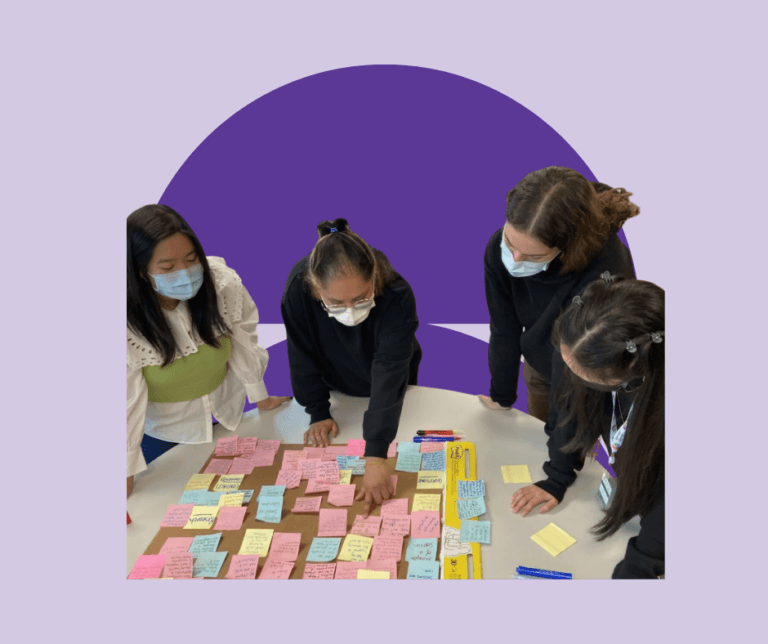
  3. Participant validation meetings: These in-person gatherings bring together participants up to one year after the program to reflect on and validate reported data findings. Participants are recognized as cultural consultants and experts in their own experiences, offering valuable nuance to emerging themes, reflecting on interpretations, and confirming that the findings accurately represent their lived experiences.

All evaluation activities are designed to be culturally safe, trauma-informed, and accessible. Tools use clear and simple language, offer multiple ways to respond, and are integrated thoughtfully into program flow to respect participants’ time, energy, and emotional capacity.

Evaluating arts-based programs vs. arts-based evaluation

Expressive arts programs call for evaluation approaches that can capture relational, creative, and non-linear forms of change. In HEAL, this means distinguishing between evaluating arts-based programs and arts-based evaluation, two complementary approaches that answer different questions about impact.

Evaluating arts-based programs examines how artistic practices function as tools for engagement and support. Rather than judging the quality of art, this approach focuses on outcomes such as participant well-being, confidence, agency, learning, and connection. It relies on familiar methods, surveys, interviews, focus groups, and observation, while engaging practitioners, participants, and stakeholders in defining what success looks like in their community. 

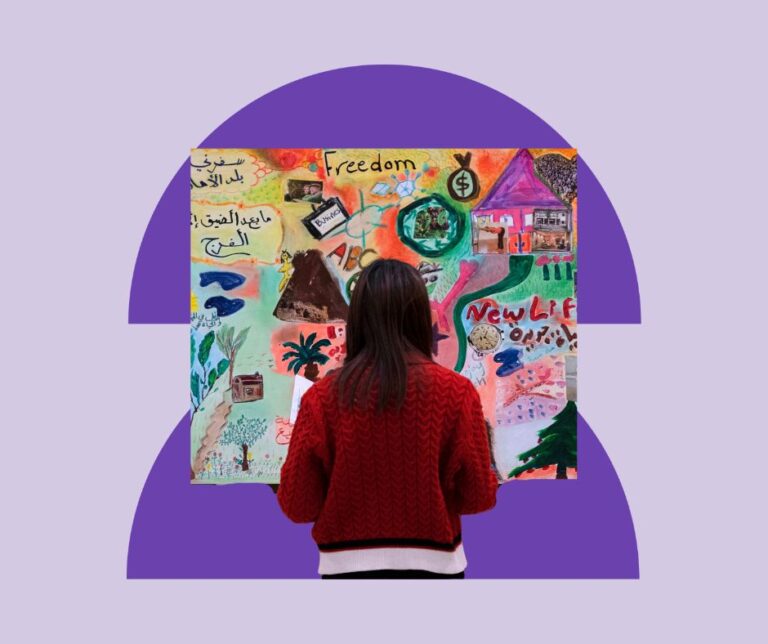
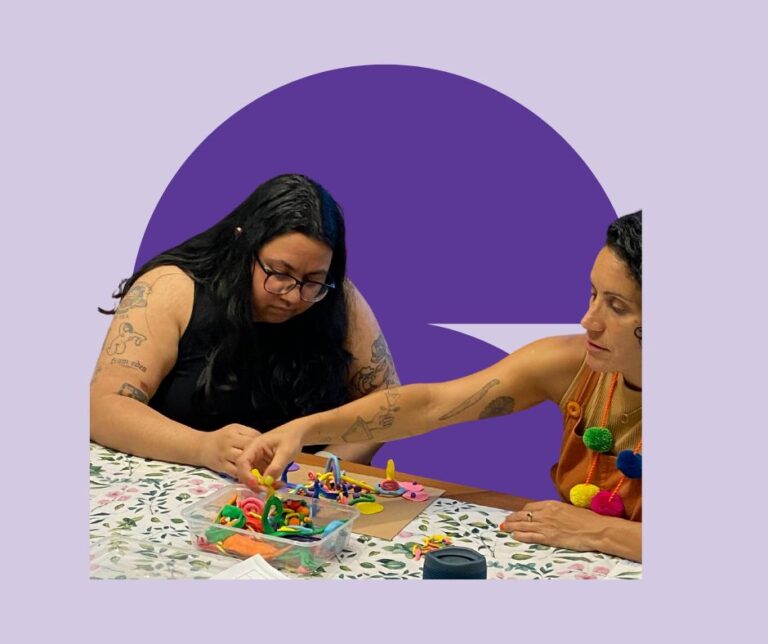
Arts-based evaluation, by contrast, uses creative processes to generate and communicate knowledge about impact. Drawing, storytelling, movement, collage, and poetry allow participants to express experiences that may not surface through words alone. This approach treats creative expression as legitimate evidence, valuing emotion, metaphor, and multiple ways of knowing. When integrated with conventional methods, arts-based evaluation deepens understanding by revealing changes that are experiential, embodied, and relational.

Our approach

The HEAL evaluation primarily focuses on evaluating arts-based programs, while recognizing the value of arts-based evaluation as a complementary approach. Creative and participatory methods help capture nuance and depth, support diverse communication styles, and prioritize participant choice and emotional safety. The goal is not to measure art itself or reduce lived experience to numbers. Instead, evaluation seeks to illuminate how expressive arts foster healing, growth, and connection in ways that are accessible, respectful, and transparent.


Pre-post evaluation

Pre- and post-program evaluations measure change over time and overall program impact, focusing on self-efficacy, knowledge, confidence, well-being, and access to supports.

Pre-program tools establish a baseline and support safe, trauma-informed delivery by clarifying roles and preparing peer researchers, facilitators, and service providers to engage effectively with newcomer women survivors of violence.

Post-program tools assess sustained outcomes, capture participant reflections, and identify emerging needs. Findings guide program improvement, sustainability planning, and ongoing engagement with arts and cultural activities.

In-program evaluation

In-program evaluation supports real-time learning, responsiveness, and safety. It helps facilitators reflect on sessions, track participant needs, and plan next steps. These tools capture changes not seen in pre- or post-evaluations, such as engagement, group dynamics, emotional regulation, and emerging needs, and are adapted to participant readiness.

Facilitator debriefs are central, including brief after-session reflections, end-of-program synthesis, and ongoing peer and supervisor debriefs to support learning, well-being, and documentation.

Facilitator debriefs are a core component of in-program evaluation. After-session debriefs take place immediately following each session and focus on reflections, participant observations, and planning for subsequent sessions. End-of-program debriefs support synthesis of learning and identification of patterns across the program. Ongoing peer and supervisor debriefs strengthen reflective practice, facilitator well-being, and consistent documentation of program outcomes.

Evaluation framework

The HEAL evaluation framework measures program impact through indicators like well-being, confidence, agency, connection, and engagement. It uses outcome harvesting to capture meaningful, often unanticipated changes in perspectives, relationships, behaviors, or capacities, especially suited to expressive arts programs where impact unfolds through process and reflection.

Outcomes are validated with program teams and stakeholders to ensure accuracy, cultural relevance, and ethical interpretation. Participation is voluntary, and creative work is never shared without consent. Evaluation does not require disclosure of trauma and does not affect access to programs. By combining conventional methods, outcome harvesting, and participatory approaches, HEAL provides a comprehensive, ethical understanding of how expressive arts support healing, growth, and connection.

Learning outcomes

  • Understand participant impact: Explain how arts-based programs foster well-being, growth, connection, and resilience.
  • Assess changes over time: Identify shifts in knowledge, confidence, and lived experience across program stages.
  • Evaluate program design: Recognize strengths and gaps using evaluation findings to inform improvement.
  • Apply insights ethically: Use evidence to enhance culturally safe, trauma-informed, and participant-centered programming.
  • Support planning and sustainability: Leverage findings to guide program adaptation, long-term impact, and stakeholder engagement
Category

Facilitated Training Booking