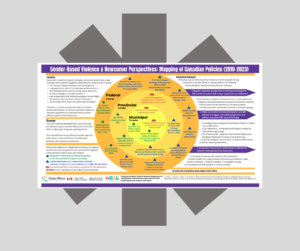
This policy map explores how newcomer perspectives are included in Canadian gender-based domestic violence policies and initiatives across municipal, provincial, and federal levels.
This environmental scan explores key features of community arts interventions that support newcomers across Canada, focusing more specifically on mental health and wellness.
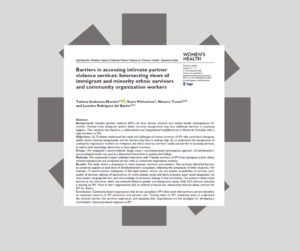
This paper examines the barriers immigrant and minority ethnic women face when accessing intimate partner violence (IPV) services in a marginalized, multicultural neighborhood in Montreal, Canada.
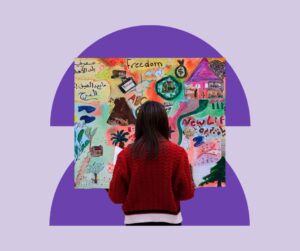
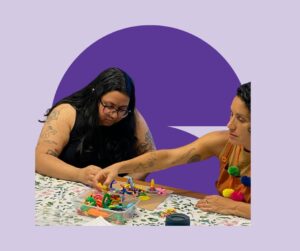
The findings highlight trauma-informed expressive arts interventions improved well-being, strengthened coping skills, and increased knowledge, confidence, and safety among newcomer survivors of domestic and family violence.
These reports present key findings from the HEAL Project’s work with five participant groups: Arabic, Bengali, Farsi, Tigrinya & those will shelter experiences, and 2LGBTQI+ identifying women.
The planning tools offer a strategic framework, mapping program inputs, activities, and outputs while showing how expressive arts interventions support newcomer women who have experienced domestic violence.